
Garmin eTrex SE
4.2Editor score
Long battery life
Water-resistant design
Multi-GNSS support
Navigating open waters requires precision and reliability. A quality GPS for Sailing ensures you stay on course and reach your destination safely without getting lost.
We compared leading models based on display clarity, battery life, satellite support, and marine-specific features. Our list covers handheld and chartplotter options for every sailor.
Each pick highlights key strengths and ideal use cases. Prices fluctuate frequently, so check current listings before buying to secure the best deal for your needs.
4.2Editor score

4.0Editor score

5.0Editor score
As an Amazon Associate we earn from qualifying purchases.
The following table provides a side-by-side comparison of all ten featured models to help you evaluate their specifications at a quick glance.



The Garmin GPSMAP 79sc stands out as a top choice for sailors needing reliable handheld navigation. It holds a strong rating and features a rugged design that floats if dropped in water.
We may earn a commission when you buy through this link, at no additional cost to you.
Its preloaded BlueChart g3 coastal charts provide immediate access to essential marine data. The device supports multiple satellite constellations for reliable tracking globally and includes a built-in compass for orientation.
While the battery life is decent, it might not last as long as some competitors in extended use. However, the durability and chart preloading make these trade-offs acceptable for most day trips.
Sailors seeking a dependable handheld unit with marine-specific features should strongly consider this model. It balances performance, durability, and essential navigation tools effectively for coastal sailing.
The built-in compass and multiple satellite support ensure you maintain accurate heading even in challenging conditions.
Designed to float and resist water, this device is built to handle the unpredictable environment of open water.
We may earn a commission when you buy through this link, at no additional cost to you.
The Garmin eTrex SE offers an accessible entry point for sailors needing basic GPS functionality. It delivers solid performance with an incredibly long battery life that supports extended expeditions.
We may earn a commission when you buy through this link, at no additional cost to you.
Its water-resistant design and multi-GNSS support ensure reliable tracking even in challenging environments. The digital compass provides accurate heading even when you are not moving, which is crucial for safety.
The display is smaller and less advanced than larger chartplotters, which might limit detailed map viewing. However, for budget-conscious users prioritizing battery and durability, this is a minor drawback.
This device is ideal for sailors who need a reliable backup or primary handheld for short trips. It provides essential navigation without the high cost of advanced marine electronics.
With up to 168 hours in standard mode, you can rely on this device for multi-day trips without needing frequent recharges.
Multi-GNSS support allows access to multiple global systems, improving accuracy in areas where single systems might struggle.
We may earn a commission when you buy through this link, at no additional cost to you.
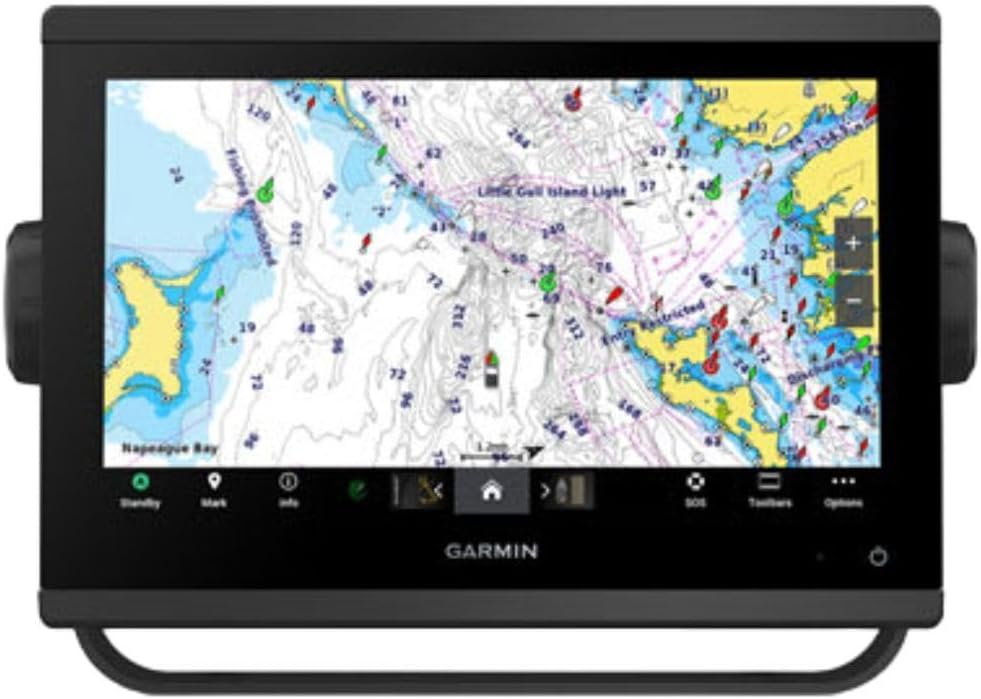
The Garmin GPSMAP 9210 is a flagship chartplotter designed for serious sailors seeking top-tier navigation. It boasts a perfect rating and delivers exceptional performance with a stunning Full HD display.
We may earn a commission when you buy through this link, at no additional cost to you.
Advanced sailing features like polars and laylines provide critical data for optimizing performance. The fast processor ensures smooth operation, and robust connectivity allows seamless integration with other marine systems.
The high cost is a significant consideration, and installation may require professional assistance due to complexity. These are acceptable for those seeking the ultimate upgrade to their vessel's navigation capabilities.
This unit is perfect for owners of larger vessels who demand precision and integration. It transforms navigation into a streamlined, high-performance experience for competitive or cruising sailors.
Features like sailing polars and laylines help you optimize your course and speed for better race or cruise performance.
Extensive connectivity options allow you to connect with autopilots, sensors, and third-party solutions effortlessly.
We may earn a commission when you buy through this link, at no additional cost to you.
The Garmin GPSMAP 65s combines button operation with advanced technology for reliable handheld navigation. Its high rating reflects its success in delivering accuracy and usability for outdoor and marine users.
We may earn a commission when you buy through this link, at no additional cost to you.
Multi-band technology ensures optimal accuracy in challenging locations like urban canyons or dense forests. The barometric altimeter adds valuable data for tracking altitude changes during coastal navigation.
The cost is higher than basic handhelds, and map coverage depends on the region you are navigating. These trade-offs are justified by the superior tracking and routing capabilities offered.
This device is ideal for sailors who need precise tracking and easy-to-read maps. It bridges the gap between basic handhelds and more expensive marine chartplotters effectively.
Multi-band technology allows for better signal reception, ensuring you stay on course even in difficult environments.
Physical buttons and a large display make it easy to operate even with gloves or in rough seas.
We may earn a commission when you buy through this link, at no additional cost to you.
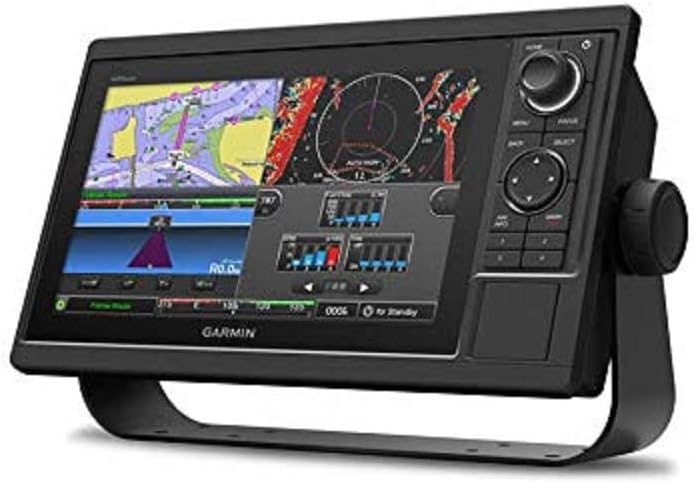
The Garmin GPSMAP 1022 offers a large, high-resolution display ideal for detailed marine navigation. Its robust design and connectivity options make it a powerful tool for serious sailors.
We may earn a commission when you buy through this link, at no additional cost to you.
The dual SD card slots allow for expanded storage of detailed maps, while multiple network ports ensure connectivity with various marine instruments. The global basemap provides a solid starting point.
Installation can be complex due to the number of connections required. The price is also higher, but these factors are standard for chartplotters of this caliber.
This unit is suited for boats that need a dedicated central navigation station. It delivers clarity and flexibility that smaller handhelds simply cannot match for extended voyages.
Multiple network ports allow seamless integration with your existing marine instruments and sensors.
High resolution and dual card slots ensure you have the detailed maps needed for navigating narrow channels.
We may earn a commission when you buy through this link, at no additional cost to you.
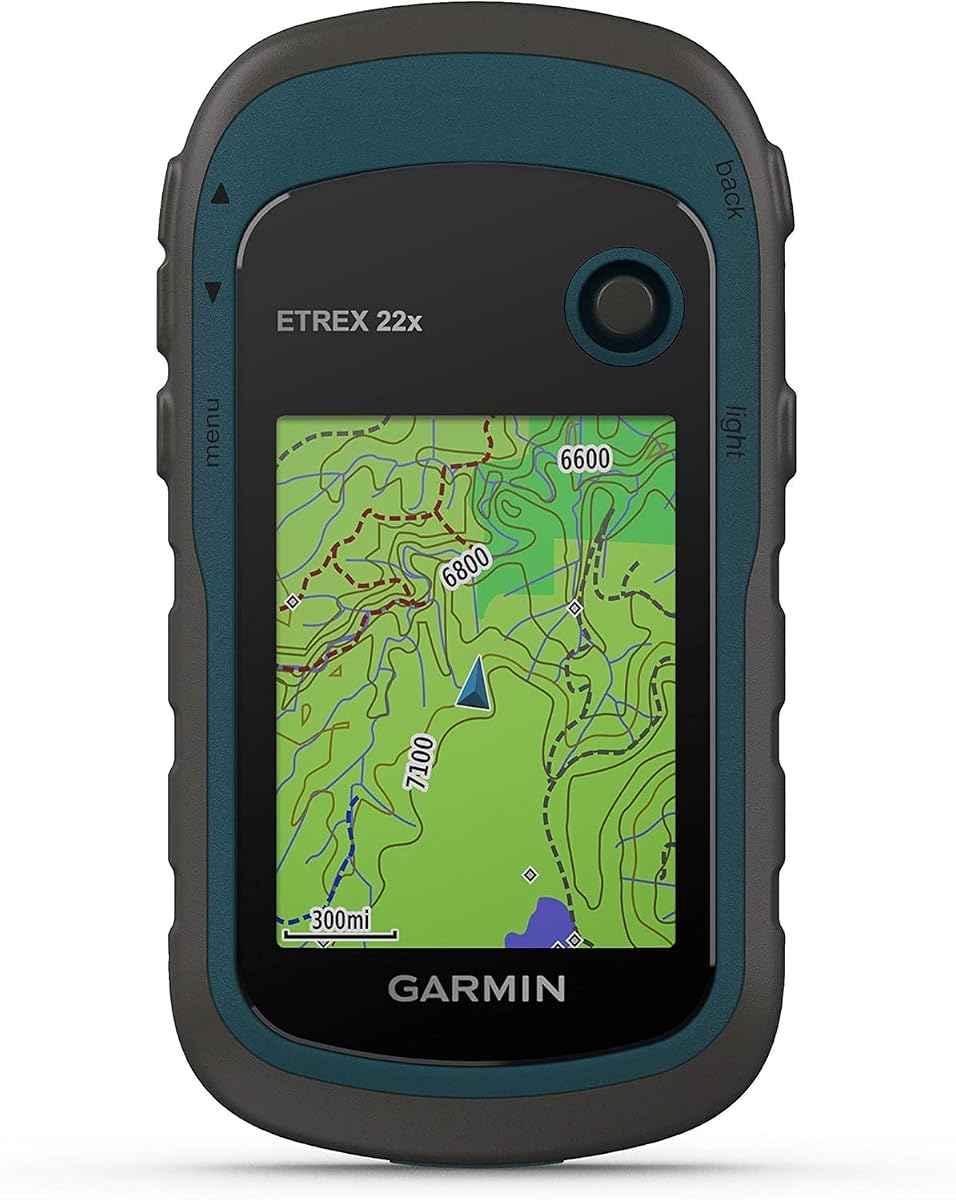
The Garmin eTrex 22x is a rugged handheld GPS that balances durability with essential navigation tools. It offers solid reliability for sailors needing a secondary navigation option.
We may earn a commission when you buy through this link, at no additional cost to you.
Its sunlight-readable display and long battery life ensure usability during long days at sea. Preloaded maps provide immediate utility, though marine-specific features are more limited.
Lack of specific waterproof ratings for submersion might be a concern for wet environments. The basic marine features mean it is best used as a backup rather than a primary tool.
This device is ideal for sailors who need a rugged, straightforward navigation aid. It serves well for short trips or as a backup to a dedicated marine chartplotter.
Built to withstand rugged conditions, this handheld is ready for the physical demands of sailing.
With a long battery life and reliable tracking, you can trust it to keep you on course.
We may earn a commission when you buy through this link, at no additional cost to you.
The Garmin GPS 73 offers sailing-specific features tailored to the needs of recreational sailors. Its strong rating reflects its ability to deliver essential safety and navigation tools.
We may earn a commission when you buy through this link, at no additional cost to you.
Sailing features like virtual starting lines and tack assist make it a valuable tool for racers. The man-overboard alarm adds a critical layer of safety for all users.
The display is basic compared to modern units, and map details are limited. These drawbacks are acceptable given the specific sailing-focused functionality and affordable price point.
This handheld is perfect for sailors prioritizing safety and specific sailing metrics. It provides just enough functionality without overwhelming complexity or cost for everyday use.
Built-in alarms and safety features ensure you are alerted to potential risks while on the water.
Dedicated buttons allow for quick access to vital functions without navigating complex menus.
We may earn a commission when you buy through this link, at no additional cost to you.
The Garmin GPSMAP 943xsv is a chartplotter that excels in both navigation and sonar functionality. It delivers high performance and reliability for those needing detailed underwater insights.
We may earn a commission when you buy through this link, at no additional cost to you.
Its ultra high-definition sonar provides clear views of underwater structures, aiding navigation and fishing. Panoptix support further enhances the utility for advanced users exploring the water.
The cost is higher than basic chartplotters, and advanced features may take time to learn. These investments are worthwhile for those needing detailed underwater visibility and navigation.
This unit is ideal for sailors who need more than just navigation tools. It combines top-tier chartplotting with advanced sonar for a comprehensive marine experience.
Ultra HD sonar provides clarity that helps you navigate safely around underwater hazards.
Improved optics ensure the display is easy to read in various lighting conditions.
We may earn a commission when you buy through this link, at no additional cost to you.
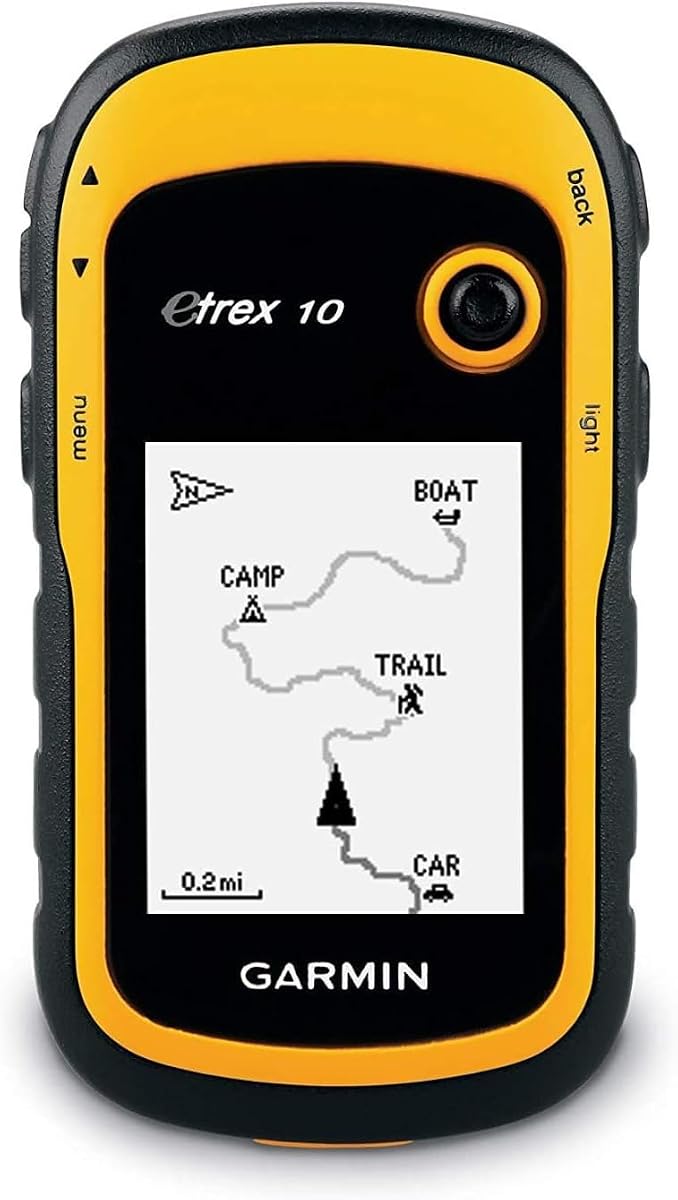
The Garmin eTrex 10 provides a simple and reliable GPS solution for basic navigation needs. It is affordable and rugged, making it suitable for entry-level sailors.
We may earn a commission when you buy through this link, at no additional cost to you.
Its waterproof design and basic global navigation features ensure functionality in various conditions. The monochrome display is easy to read in sunlight but lacks color detail.
Limited map features mean it may not offer detailed charts for complex routes. However, for simple waypoint tracking and basic safety, it remains a solid choice.
This device is best for sailors needing a reliable, budget-friendly backup option. It keeps the essentials without complexity or cost for basic navigation tasks.
You get essential GPS functions at a low price point, making it accessible for many users.
Rugged construction and waterproofing ensure it can handle the elements without issue.
We may earn a commission when you buy through this link, at no additional cost to you.
The Garmin GPSMAP 79s offers a floating design and solid navigation features for sailors. It provides reliable performance with essential tools for safe navigation on the water.
We may earn a commission when you buy through this link, at no additional cost to you.
Its ability to float is a key safety feature, and the worldwide basemap offers broad coverage. The high-resolution display ensures visibility even in bright sunlight conditions.
Chart coverage may require updates depending on the region. The price is mid-range, reflecting its balance of features and durability for general marine use.
This handheld is ideal for sailors needing a reliable floating navigation option. It combines essential navigation tools with the added safety of a floating design.
The floating design ensures you can recover the device easily if it falls overboard.
With a robust compass and satellite support, you stay on course confidently.
We may earn a commission when you buy through this link, at no additional cost to you.
Selecting the right GPS for sailing depends on understanding your specific needs and the features each device offers.
A high-quality display is crucial for reading maps in bright sunlight. Look for high-resolution screens with anti-glare coatings.
Choose a display size that balances visibility with portability for your specific sailing setup.
Long battery life ensures your device lasts through extended trips without needing frequent recharges.
Prioritize models with replaceable batteries for added flexibility during long expeditions.
Multi-GNSS support provides better accuracy and reliability in challenging environments like coastal areas.
Look for devices supporting multiple satellite constellations for consistent global tracking.
Waterproof ratings ensure your device can withstand exposure to rain, spray, or accidental immersion.
Select devices with IPX7 or higher ratings for maximum protection on open water.
Features like MOB alarms, sailing polars, and preloaded marine charts enhance safety and navigation.
Check for tools tailored to your specific type of sailing, such as racing or cruising.
Connectivity options like Wi-Fi, Bluetooth, and NMEA ports allow integration with other marine systems.
Ensure the device supports networks you use for data transfer and communication.
Rugged construction protects your device from impacts and harsh weather conditions.
Look for models with reinforced cases and durable materials for long-term use.
Intuitive interfaces and physical buttons allow quick operation without navigating complex menus.
Choose models with dedicated keys for critical functions to maintain focus while sailing.
Start by calibrating your device and ensuring it is set to your region. Install any necessary map updates or charts to ensure data accuracy.
Operate the GPS with clear visibility of the sky for accurate satellite tracking. Use physical buttons to avoid screen smudges in wet conditions.
Store the device in a cool dry place when not in use. Regularly clean the lens and housing to maintain clarity and waterproof integrity.
A suitable GPS for sailing should include marine-specific features like MOB alarms and sailing polars. It should also be waterproof, durable, and have long battery life.
Handheld units are great for backups or small boats but lack advanced features of chartplotters. Chartplotters offer larger screens and better integration for larger vessels.
Water resistance is critical as marine environments involve exposure to rain and spray. Look for ratings like IPX7 or higher to ensure reliability.
Multi-GNSS support allows the device to access multiple satellite systems for improved accuracy. This helps maintain reliable tracking in challenging environments.
Preloaded charts provide immediate access to essential marine data without extra setup. They are beneficial for quick trips and areas with limited signal.
Ensure the device has a clear view of the sky and is not obstructed by structures. Using multi-GNSS devices also helps improve signal accuracy significantly.
Replaceable AA batteries are best for extended trips as they are easy to swap. Built-in rechargeable batteries offer convenience but may limit long-duration use.
Clean the lens and housing regularly with a soft cloth. Store in a cool dry place and check seals periodically to maintain waterproof integrity.
Choosing the right GPS for sailing ensures safety and efficiency on the water. Our top picks offer a range of options to suit different needs and budgets.
Prioritize features like water resistance, battery life, and marine-specific tools when making your decision. Your safety depends on reliable navigation tools.
Always check current prices and product availability before buying to secure the best value. The right GPS can make a significant difference in your sailing experience.