
Compact Fluorescent CFL 45W
4.1Editor score
45 Watt power output
5500K daylight balance
Standard E26 base fit
This guide compares the top CFL grow bulbs for indoor gardening, covering spectrum, wattage, and efficiency to help you choose the right light.
Finding the right light for your indoor garden is crucial for plant health. CFL grow bulbs offer a budget friendly solution for hobbyists seeking reliable illumination without excessive heat. These compact fluorescent lamps provide a balanced spectrum suitable for various growth stages from seedling to flowering.
We compared ten popular models based on their spectral output, energy efficiency, and user feedback. Each product was evaluated for its ability to deliver sufficient light intensity while maintaining low operating costs. Our analysis focuses on real world performance metrics that matter to home growers.
Each pick highlights specific strengths such as color temperature accuracy or longevity. You will see detailed breakdowns of features and potential limitations for every option. Please note that product availability and pricing can change frequently so verify current details before purchasing.
4.1Editor score

4.7Editor score

5.0Editor score
The following table provides a side by side overview of all ten selected CFL grow bulbs. It highlights key specifications to help you quickly identify the best match for your specific indoor gardening needs.


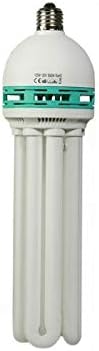
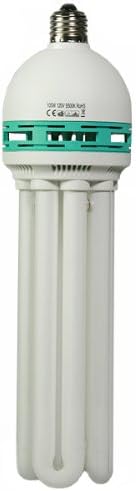


This bulb offers a straightforward approach to indoor lighting with a focus on hydroponic applications. Its 5500K color temperature mimics natural daylight which is essential for photosynthesis. Users appreciate the full spectrum claim despite the lower rating.
We may earn a commission when you buy through this link, at no additional cost to you.
The 60 watt consumption provides moderate light output suitable for small setups. It claims an equivalent of 250 watts in incandescent terms suggesting decent efficiency. The bulb fits standard fixtures making replacement simple for existing growers.
However some users report inconsistencies in brightness and lifespan over time. While the price point is attractive the performance may not match higher end alternatives. It remains a viable choice for those on a tight budget.
We recommend this for beginners testing hydroponic systems without heavy investment. Ensure you pair it with a reliable fixture to maximize its potential. Check recent feedback before purchasing to avoid defective units.
The 5500K output supports vegetative growth by simulating midday sun conditions.
Specifically marketed for water based growing systems where light quality matters.
We may earn a commission when you buy through this link, at no additional cost to you.
The Agrobrite FLC26D is a reliable option for small scale indoor gardening. Its 6400K temperature is ideal for vegetative stages promoting lush green growth. The spiral design increases surface area for better light distribution within a fixture.
We may earn a commission when you buy through this link, at no additional cost to you.
Energy savings are significant as it consumes only 26 watts while mimicking higher output. With a lifespan of 10000 hours it reduces replacement frequency compared to traditional bulbs. UL listing ensures basic safety standards are met for home use.
While suitable for herbs and seedlings it might lack intensity for flowering plants. The lower wattage limits coverage area requiring multiple units for larger gardens. Users should manage expectations regarding total light output.
This bulb is perfect for window sill gardens or small tent setups. Its balance of cost and longevity makes it a strong budget candidate. Pair it with reflective surfaces to enhance light penetration effectively.
UL listing provides peace of mind regarding electrical safety for indoor environments.
The higher Kelvin rating supports leafy growth and prevents legginess in plants.
We may earn a commission when you buy through this link, at no additional cost to you.
HAKUTATZ markets this bulb as a high power solution for indoor growing needs. The 105 watt rating aims to deliver substantial light comparable to 400 watts incandescent. It uses a standard household outlet for convenient mounting without specialized gear.
We may earn a commission when you buy through this link, at no additional cost to you.
The 5500K spectrum covers both vegetative and flowering stages effectively. Instant start technology means no warm up time is required for immediate operation. However user feedback suggests reliability concerns with consistency across units.
Some buyers report the bulb dimming prematurely or failing to reach claimed brightness. This inconsistency makes it a risky choice for critical plant growth stages. It is better suited for low stakes experimental setups.
Consider this only if you need high wattage without investing in LED tech. Verify the seller reputation before purchase to mitigate risk of defects. It remains an option for those prioritizing raw wattage over brand reputation.
Aims to reduce electricity usage while maintaining high luminous output for plants.
Designed to work with common home light sockets for ease of installation.
We may earn a commission when you buy through this link, at no additional cost to you.
This model targets hydroponic enthusiasts needing a full spectrum light source. The 105 watt output supports vigorous growth across different plant types. It operates with minimal heat emission which helps maintain stable temperature in grow spaces.
We may earn a commission when you buy through this link, at no additional cost to you.
The pure white light ensures accurate color rendering for plant health monitoring. Horizontal and vertical mounting flexibility allows adaptation to various fixture types. The E27 base is common in many regions but differs from standard E26.
While the performance is solid the base compatibility may require an adapter for some users. Users should verify their fixture specifications before ordering. Overall it delivers reliable performance for dedicated indoor gardeners.
We recommend this for those seeking a balanced spectrum without heat stress. It fits well in closed environments where temperature control is vital. Ensure you have the correct socket type for a smooth setup.
Designed to minimize heat output protecting sensitive plants from burn risks.
The balanced white light supports all growth phases from start to finish.
We may earn a commission when you buy through this link, at no additional cost to you.
While not a CFL this LED bulb offers a modern approach to grow lighting. It uses 11 watts to deliver brightness equivalent to 100 watts traditional bulbs. The 4000K color appears natural to human eyes while providing full spectrum output.
We may earn a commission when you buy through this link, at no additional cost to you.
The design integrates well with home decor avoiding the purple glow of some grow lights. High light transmission ensures efficient absorption by plant leaves. A lifespan of 25000 hours far exceeds typical fluorescent options.
The E26 base fits standard sockets making installation seamless for most users. It supports tomatoes and herbs effectively with its balanced wavelength distribution. This is a strong alternative if you want efficiency without compromising aesthetics.
Choose this if you prioritize long term savings and low heat. It works well in residential settings where style matters. Ensure the fixture matches the A19 shape for a proper fit.
Uses significantly less power than CFLs for similar light output levels.
Natural light color prevents unsightly glare in living spaces.
We may earn a commission when you buy through this link, at no additional cost to you.
This lamp stands out with a perfect user rating suggesting high reliability. It delivers 200 watts of power suitable for larger or more demanding grow setups. The 6500K temperature provides crisp cool white light ideal for flowering plants.
We may earn a commission when you buy through this link, at no additional cost to you.
Users note professional support from Flora Hydroponics adding value to the purchase. It represents a significant investment but delivers consistent performance over time. The build quality appears superior to standard budget options.
The cost may deter casual growers but serious hobbyists will appreciate the results. Ensure your fixture can handle the power and size requirements. This is a premium choice for those seeking professional results at home.
We recommend this for advanced indoor gardens requiring maximum light intensity. It complements high density planting with superior spectral output. Verify fixture compatibility before committing to this higher end model.
Access to expert advice ensures optimal usage and troubleshooting when needed.
Delivers intense light for dense canopies where standard bulbs fail.
We may earn a commission when you buy through this link, at no additional cost to you.
The EMART bulb is marketed for photography but suits indoor gardening well. Its 5800 lumens provide exceptional brightness for small to medium spaces. The 5500K color mimics natural daylight ensuring plants receive quality illumination.
We may earn a commission when you buy through this link, at no additional cost to you.
It operates without flicker or noise making it suitable for video recording too. Users report minimal heat generation allowing close proximity to plants without burning. The spiral design distributes light effectively across the target area.
The lack of included fixture means you must have a compatible clamp light ready. However the bulb quality is high and the price is reasonable for the output. It balances versatility and performance for most home growers.
Choose this if you need high lumens with a standard grow setup. It works well for both plant growth and photography needs. Ensure your socket supports the wattage to avoid electrical issues.
High CRI ensures colors appear true and light is useful for plants.
Minimal heat production allows safe placement near delicate foliage.
We may earn a commission when you buy through this link, at no additional cost to you.
This bulb provides an entry point into CFL grow lighting for new gardeners. The 45 watt draw is energy efficient while delivering useful light intensity. Its 5500K rating supports photosynthesis and prevents stretching in young plants.
We may earn a commission when you buy through this link, at no additional cost to you.
It mounts easily on standard household outlets saving money on specialized fixtures. Users note immediate startup with no waiting for the bulb to warm up. It is a practical solution for herbs and leafy greens.
However coverage is limited so multiple units might be needed for larger areas. Durability is average so expect replacements after a few years of use. It remains a good value for temporary or small projects.
We recommend this for testing grow setups before committing to larger systems. It minimizes initial expense while still providing adequate light. Check your fixture ratings to ensure compatibility with this wattage.
Minimal upfront cost makes it accessible for beginners testing hydroponics.
Standard design requires no special hardware to get started quickly.
We may earn a commission when you buy through this link, at no additional cost to you.
The Xtricity bulb focuses on high lumen output for bright illumination. Its 4000 lumens are substantial for a CFL making it suitable for larger fixtures. The 4100K cool white provides balanced light for general indoor plant growth.
We may earn a commission when you buy through this link, at no additional cost to you.
UL listing ensures safety compliance for home electrical systems. Users appreciate the long lifespan of 10000 hours reducing maintenance efforts. It is designed for large ceiling fixtures where intensity is required.
The lower color temperature may not be ideal for strict vegetative needs. However it works well for general lighting needs in mixed environments. Ensure your fixture supports the T5 spiral shape correctly.
We recommend this for open spaces needing broad light coverage. It balances brightness with efficiency effectively. Verify your fixture type to ensure the spiral design fits properly.
High lumen count ensures sufficient light reaches plant canopies.
UL listing provides confidence in electrical safety standards for home use.
We may earn a commission when you buy through this link, at no additional cost to you.
This bulb is designed specifically for desktop grow fixtures requiring 4-pin bases. It delivers balanced daylight suitable for small plants and herbs. The 27 watt power draws efficiently while providing consistent light output for targeted growth.
We may earn a commission when you buy through this link, at no additional cost to you.
It serves as a direct replacement for older models ensuring compatibility. Users note its EPA registered manufacturing for safety and environmental compliance. It is ideal for specialized grow boxes or desk setups.
Limited to specific fixtures it is not a universal bulb for standard sockets. Ensure you match the pin configuration exactly to avoid connection issues. The reliability is high among users with compatible equipment.
We recommend this for owners of specific desktop grow kits needing replacements. It maintains the intended light balance for these systems. Check your fixture model before purchasing to ensure the correct base type.
Designed to match exact pin layouts for seamless installation.
Manufactured in an EPA registered establishment for safer production.
We may earn a commission when you buy through this link, at no additional cost to you.
Selecting the right grow bulb involves understanding specific technical details. This section breaks down the key factors to consider for optimal plant health.
Color temperature measured in Kelvin determines the light quality. Lower temperatures around 3000K are warm and ideal for flowering. Higher temperatures like 6500K are cool and suit vegetative growth stages best.
Look for bulbs in the 5500K to 6500K range for general purpose growing.
Wattage indicates energy consumption but also correlates with light output. Higher wattage bulbs provide more photons per second. For CFLs, 45W to 105W is common for home growers needing intensity.
Ensure your electrical fixture supports the wattage to prevent overheating.
Lumens measure the total visible light emitted by the bulb. Plants need sufficient lumens to drive photosynthesis efficiently. Aim for at least 5000 lumens for effective coverage of small canopies.
Prioritize high lumen counts for better results without increasing wattage.
CFL bulbs typically last between 8000 and 12000 hours. This reduces the need for frequent replacements over time. Check the manufacturer rating to estimate long term value.
Selecting bulbs with longer rated lives saves money in the long run.
Most grow bulbs use E26 or E27 medium bases for standard sockets. Specialty models may use 4-pin quad bases for specific fixtures. Verify your fixture type before buying to ensure compatibility.
A mismatched base can prevent installation or damage your fixture.
CFLs produce less heat than incandescent bulbs which helps temperature control. However they still generate some warmth that affects plant proximity. Ensure proper airflow to dissipate heat efficiently.
Lower heat emission allows you to place lights closer to plants safely.
Full spectrum bulbs provide a balanced range of wavelengths. This mimics natural sunlight and supports all growth phases. Look for claims of full spectrum to ensure quality photosynthesis support.
Prioritize full spectrum models for best overall plant development results.
UL listing ensures electrical safety standards are met. This reduces fire risks and protects your home wiring. Always verify safety marks especially for high wattage models.
Safety certifications provide peace of mind during continuous operation.
Install the bulb into a compatible fixture and ensure it is secure. Keep a safe distance from plants to prevent heat stress typically 12 to 24 inches. Use reflective materials on walls to maximize light efficiency.
Turn the lights on for 12 to 16 hours daily depending on plant needs. Use a timer to automate the schedule and ensure consistency. Avoid turning lights off frequently as this disrupts plant cycles.
Wipe the bulb occasionally to remove dust that blocks light output. Dispose of old CFL bulbs properly due to mercury content. Store unused bulbs in a cool dry place to extend their life.
CFL bulbs are more affordable upfront and work with standard fixtures. However LEDs are more energy efficient and last longer over time. Choose CFLs for budget setups and LEDs for long term growth.
Regular bulbs may work but lack the full spectrum needed for growth. Grow specific bulbs ensure the right balance of red and blue light. Using grow bulbs leads to healthier plants.
Maintain a distance of about 12 to 24 inches from the foliage. This provides sufficient light without causing heat burn. Adjust height as plants grow to maintain proper coverage.
They emit less heat than incandescent bulbs but still produce warmth. Ensure adequate ventilation to keep temperatures stable. Proper distance from plants helps manage heat effectively.
Most plants need 12 to 16 hours of light daily. Use a timer to automate the cycle. Consistency is key for healthy plant development.
Yes CFLs contain small amounts of mercury. Handle them carefully to avoid breakage. Recycle old bulbs properly to ensure safety.
Some bulbs like the EMART model are designed for photography too. They provide high CRI lighting suitable for both uses. Check specific specs to confirm compatibility.
45W to 65W is sufficient for seedlings and herbs. Higher wattage is needed for flowering or larger plants. Match wattage to your specific plant growth stage.
We have reviewed ten distinct options ranging from budget friendly to premium choices. Each bulb offers unique benefits depending on your setup needs. Selecting the right model ensures your plants thrive indoors.
Prioritize factors like color temperature and wattage when deciding. Your choice should align with your plant types and available space. Proper selection leads to efficient growth and healthy yields.
Check current pricing and availability before purchasing any item. Deals and stock levels change frequently on online stores. Ensure you buy from a reliable source for the best experience.