
Zigbee Human Presence Sensor
4.0Editor score
Detects stationary people reliably
Wide Zigbee compatibility
Long battery life
This guide compares ten top home assistant human presence sensors for reliable automation using mmWave radar and zigbee protocols for smart homes.
Finding the right sensor for your smart home can be challenging with so many options available today. A good presence sensor detects people even when they are still, unlike traditional motion sensors that turn lights off prematurely.
We evaluated ten leading products based on radar technology, compatibility with Home Assistant, ease of setup, and overall performance. Each option offers unique features to meet different automation needs and budget constraints.
Each pick shows key specifications, pros, and cons to help you decide which fits your home best. Keep in mind that prices and availability may change over time so verify details before purchasing.
4.0Editor score

4.4Editor score

3.6Editor score
The following table provides a side-by-side comparison of all ten products to help you quickly identify the best fit for your specific smart home ecosystem and requirements.




The Akamatis Litos v3 stands out as a dedicated solution for Home Assistant users seeking precise presence detection. It uses 24GHz mmWave radar to detect motion and stationary objects up to 20 feet indoors.
We may earn a commission when you buy through this link, at no additional cost to you.
Its integrated ambient light sensor matches human eye sensitivity for accurate automation rules. The pre-flashed ESPHome firmware ensures straightforward setup without manual configuration or flashing required.
While it requires an existing Home Assistant installation which may limit broader compatibility the specialized focus ensures seamless integration. The light-permeable front design enhances both function and aesthetic appeal in any room.
This sensor is ideal for tech-savvy users who prioritize local control and detailed automation. Its combination of radar and light sensing makes it a top choice for energy-efficient lighting control.
Built specifically for Home Assistant this sensor leverages open-source local control for privacy and responsiveness.
The integrated light sensor enables smart rules like turning lights on only when presence and darkness are detected.
We may earn a commission when you buy through this link, at no additional cost to you.
The Akamatis v2.2 offers advanced radar sensing for accurate detection of both moving and stationary objects. It uses the HLK-LD2410B module with an external antenna for enhanced Wi-Fi range and stability.
We may earn a commission when you buy through this link, at no additional cost to you.
Powered by USB-C it eliminates the need for batteries ensuring continuous operation. Pre-flashed ESPHome firmware allows quick connection to your network with minimal configuration steps required.
Though limited to Home Assistant ecosystems this sensor provides higher precision than traditional PIR units. The compact design fits well in most environments while delivering consistent performance over time.
Users seeking a reliable wired presence sensor will appreciate its robust components and ease of use. It is a solid choice for those invested in Home Assistant automation setups.
An external Wi-Fi antenna ensures stronger signal strength and more stable communication with your home server.
USB-C power means no battery replacements and uninterrupted presence monitoring for critical automation routines.
We may earn a commission when you buy through this link, at no additional cost to you.
This Zigbee sensor delivers high-precision radar sensing to detect stationary people effectively. It works with Home Assistant SmartThings Hubitat and Echo devices providing broad compatibility for smart homes.
We may earn a commission when you buy through this link, at no additional cost to you.
The device uses 24GHz millimeter wave radar to ensure accurate detection in various rooms like bedrooms or living rooms. Two AAA batteries can last up to two years in typical usage reducing maintenance needs.
While it lacks some advanced features of premium models it solves the common issue of lights turning off when users are still. Its ease of setup and flexible ecosystem support make it a great budget option.
Ideal for users wanting reliable presence detection without a complex setup this sensor balances performance and cost well. It is a strong contender for those new to Home Assistant automation.
Compatible with multiple hubs including Echo devices SmartThings and Home Assistant for flexible integration options.
Uses two AAA batteries that last up to two years minimizing the need for frequent replacements.
We may earn a commission when you buy through this link, at no additional cost to you.
The Aqara FP300 combines advanced AI PIR and 60GHz mmWave radar for precise presence detection. It supports Matter over Thread and Zigbee allowing integration with Apple Home Home Assistant and more.
We may earn a commission when you buy through this link, at no additional cost to you.
As a 5-in-1 sensor it includes light temperature and humidity detection for comprehensive environmental monitoring. This all-in-one design automates lighting climate and security efficiently from a single compact device.
Its adaptive AI learning optimizes sensitivity to reduce false triggers ensuring devices stay on only when needed. The wireless design with adjustable mounting offers flexibility for wall ceiling or corner setups.
Users seeking a future-proof sensor with broad ecosystem support will value its Matter compatibility. While pricier it offers extensive features for a truly intelligent home automation experience.
Adaptive AI continuously optimizes sensitivity to minimize false triggers and improve detection accuracy over time.
Supports Matter over Thread and Zigbee ensuring compatibility with major platforms like Apple Home and Alexa.
We may earn a commission when you buy through this link, at no additional cost to you.
The SONOFF SNZB-06P24 features 24GHz mmWave radar to detect subtle micro-movements like breathing reliably. It includes an ambient light sensor for context-aware lighting automations based on brightness conditions.
We may earn a commission when you buy through this link, at no additional cost to you.
A unique 7-Zone detection area allows customization to ignore unwanted areas like corridors while focusing on key zones. Self-learning calibration reduces false triggers by filtering interference from appliances or airflow.
Works with Home Assistant Alexa and SmartThings via Zigbee for seamless smart home integration. USB-C power ensures continuous operation without battery changes and third-party users can configure settings via the app.
This sensor is best for users needing precise control over detection areas and automated responses. Its balance of features and compatibility makes it a versatile addition to any smart home.
Customize up to 7 zones to match your space layout and ignore areas prone to false triggers.
Self-learning calibration adapts to your environment to minimize false alarms and improve reliability.
We may earn a commission when you buy through this link, at no additional cost to you.
The SONOFF SNZB-06P uses 5.8GHz microwave radar to detect movement and stationary people. It includes a light detector to save energy by ensuring lights turn on only in the dark.
We may earn a commission when you buy through this link, at no additional cost to you.
Compatible with Zigbee 3.0 it supports various hubs like SONOFF NSPanel Pro and Echo Plus. Local smart scenes can execute even without internet which enhances reliability during network outages.
This sensor offers straightforward presence automation for common areas such as hallways or bathrooms. Its light sensing adds value for energy-conscious users without requiring complex setup steps.
Ideal for budget-conscious smart home owners this sensor delivers solid performance within the Zigbee ecosystem. It works well for basic automation needs with trusted platforms.
Scene linkage works locally without internet ensuring automation continues even during network interruptions.
Built-in light detection prevents unnecessary light activation during daylight hours to reduce energy usage.
We may earn a commission when you buy through this link, at no additional cost to you.
This sensor detects presence via 24GHz mmWave technology even capturing slight breathing or micro-movements. It integrates temperature humidity and illumination sensors for comprehensive smart home data.
We may earn a commission when you buy through this link, at no additional cost to you.
Its ultra-compact 40 x 40 x 20 mm design fits anywhere with an integrated magnetic base for easy placement. CR2450 battery power ensures continuous monitoring without cables or nearby sockets.
Fully compatible with Home Assistant via ZigBee it provides local control and fast automation triggers. This makes it ideal for fans valuing reliable low-latency performance without cloud dependency.
Best for users wanting a multi-purpose sensor in one small package it balances functionality and convenience. Its versatile mounting options allow discreet installation in various home locations.
Delivers temperature humidity and light data alongside presence to automate climate and lighting together.
Magnetic base sticks to metal surfaces quickly while 3M tape enables secure attachment to walls or tiles.
We may earn a commission when you buy through this link, at no additional cost to you.
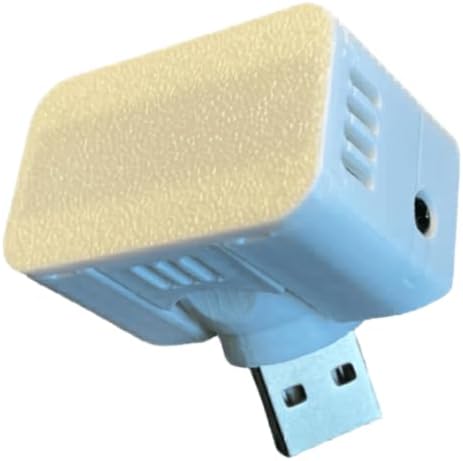
The Akamatis v1.3 uses millimeter-wave radar for precise detection of moving and stationary objects indoors. It connects via 2.4 GHz Wi-Fi and works exclusively with Home Assistant for local control.
We may earn a commission when you buy through this link, at no additional cost to you.
Powered through USB-A with a jointed connector it avoids batteries and cords cluttering the space. Pre-flashed ESPHome firmware enables quick setup by connecting to the device hotspot.
Despite its focus on Home Assistant it offers higher precision than traditional PIR sensors covering larger areas. The compact plug-and-play design ensures reliable operation with minimal configuration needed.
Users deeply invested in Home Assistant will appreciate its seamless integration and proven performance. It remains a strong option for those prioritizing local automation and simplicity.
Pre-flashed ESPHome and hotspot connection allow quick integration without manual firmware flashing.
Designed for Home Assistant it leverages open-source local control for privacy and responsiveness.
We may earn a commission when you buy through this link, at no additional cost to you.
This sensor features 5.8G radar for accurate human static and micro motion detection including sleeping persons. Sensitivity ranges from 1 to 9 with flexible detect ranges and unmanned delay times for customization.
We may earn a commission when you buy through this link, at no additional cost to you.
Illuminance monitoring enables smart scene linkage for lights to turn on off with brightness changes. It requires a Tuya Zigbee hub but supports ZigBee2mqtt with data reporting interval settings for network efficiency.
The mini wall mount design is lightweight and powered by USB-Type-C offering versatile placement. Advanced settings reduce false alarms and irrelevant movements for smoother home automation routines.
Users comfortable with Tuya ecosystems will find its adjustable parameters and smart linkages valuable. It provides a balance of flexibility and performance for medium-range smart home setups.
Adjust sensitivity ranges and delay times to match your space and avoid false alarms.
Illuminance data enables automated lighting routines that respond to ambient light conditions.
We may earn a commission when you buy through this link, at no additional cost to you.
The meross MS600 combines PIR and millimeter wave radar to detect user presence without motion. It integrates via Matter over Wi-Fi with HomeKit Alexa Google Home and Home Assistant.
We may earn a commission when you buy through this link, at no additional cost to you.
Local control via Matter ensures enhanced stability lower latency and better privacy compared to cloud methods. It includes a pet-proof shield to prevent robots vacuum or animals from triggering false alerts.
With a 1.5m corded design it offers flexible placement within 12 meters detection range. The adjustable base pivots and rotates to optimize detection angles for various room layouts.
Ideal for multi-platform households this sensor supports diverse ecosystems through Matter. Its pet-proof features and local control make it a practical choice for families.
Matter integration provides stable offline control and better privacy with multiple platforms.
A shield included with the sensor prevents pets or robot vacuums from triggering false alarms.
We may earn a commission when you buy through this link, at no additional cost to you.
Selecting the ideal presence sensor requires understanding key factors that affect performance and integration.
Most modern sensors use mmWave or microwave radar to detect stationary people unlike PIR which only spots motion. 24GHz mmWave offers better balance of range and detail while 60GHz provides high precision but shorter range.
Look for sensors specifying mmWave technology to ensure you can detect presence even when sitting or sleeping still.
Wi-Fi sensors connect directly to your router but may consume more bandwidth. Zigbee and Thread require a hub but offer lower power usage and better mesh networking for large homes.
Choose Zigbee or Thread if you have a hub and want better battery life or lower latency for automations.
Some sensors work only with Home Assistant while others support multiple ecosystems like Alexa or Apple Home. Dedicated Home Assistant sensors provide seamless local control but may lack flexibility.
Verify that the sensor supports your chosen platform and supports local automation for faster response times.
Battery-powered sensors offer flexible placement but need periodic replacement. USB or corded sensors ensure continuous operation without battery changes but require access to power outlets.
Opt for USB or corded power for high-traffic areas and battery for hard-to-reach locations.
Integrated light sensors enable smart automations such as turning lights on only when dark. This feature helps save energy and improves user experience by preventing unnecessary lighting.
Prioritize sensors with ambient light detection if you plan to automate lighting based on room brightness.
Sensors with adjustable sensitivity and calibration reduce false triggers from pets or drafts. Self-learning features adapt to your environment over time to improve accuracy.
Look for customizable settings to fine-tune detection zones and avoid unwanted automations.
Versatile mounting like magnetic bases or adjustable arms simplifies installation and adjustment. Wall or ceiling mounts provide better coverage depending on room layout.
Choose a mounting style that fits your space and allows easy repositioning for optimal detection.
Matter over Thread or Wi-Fi offers future-proof compatibility across ecosystems. It enables seamless communication between devices from different brands with local control.
Consider Matter-ready sensors if you plan to expand your smart home beyond one ecosystem.
Place the sensor in a central location with clear line of sight for best detection. Avoid direct sunlight or heat sources that may affect accuracy or battery performance.
Connect the sensor to your home hub or Wi-Fi following the manufacturer instructions. For Home Assistant users add it through the appropriate integration and confirm the device appears in your dashboard.
Regularly check firmware updates to ensure optimal performance and security. Clean the sensor surface gently with a dry cloth to prevent dust from blocking the radar or light sensors.
PIR sensors detect only motion and cannot sense people who are still. mmWave sensors use radar to detect micro-movements like breathing so they can tell if a person is present even when stationary.
Zigbee and Thread sensors can work locally via a hub without Wi-Fi. Wi-Fi sensors require internet or local network access to communicate with your smart home system.
Many mmWave sensors can distinguish between humans and pets with proper calibration. Some models include pet-proof shields or settings to ignore small movements and avoid false alerts.
Traditional motion sensors stop detecting after a few seconds of stillness. Presence sensors solve this by detecting tiny movements like breathing so lights stay on while you are stationary.
Check the product details for Home Assistant support via Zigbee or ESPHome. Most modern presence sensors integrate easily but may require specific hubs or network configurations.
No presence sensors only detect motion or presence and do not capture video or audio. They are designed for privacy and automation without recording personal media.
Battery life varies by model and usage but typically lasts up to two years for Zigbee sensors. Some use CR2450 or AAA batteries that are easy to replace when needed.
Yes multiple sensors can be combined to cover larger spaces. Configure them in Home Assistant to work together for more accurate presence detection across the entire area.
We compared ten top presence sensors offering radar technology and diverse connectivity for Home Assistant users. The Akamatis Litos v3 leads with its integrated light sensor and seamless Home Assistant focus.
Choose based on your needs for budget platform support or advanced features like Matter. Zigbee options provide battery savings while Wi-Fi models offer direct setup and control.
Verify current prices and availability before buying since these details may change. Select the sensor that best matches your smart home setup for reliable automation.