10 Best Laptops for Machine Learning (November 2026) Expert Guide
Written by Jamie · Updated November 2026
Machine learning demands laptops with powerful processors, ample memory, and dedicated graphics. Whether you are a student or a professional, choosing the right device ensures smooth training and deployment of models without bottlenecks.
We evaluated ten leading models based on performance metrics, build quality, and portability. Our analysis focuses on real-world capabilities for data scientists, highlighting how each machine handles complex computations and multitasking effectively.
Each pick showcases specific strengths tailored to different needs and budgets. While specifications provide a baseline, actual performance varies by workload. Note that prices and availability change frequently, so verify current details before purchasing your next device.
Apple 2026 MacBook Pro Laptop with Apple M5 Pro chip with 15-core CPU and 16-core GPU: Built for AI, 14.2-inch Liquid Retina XDR Display, 24GB Unified Memory, 1TB SSD, Wi-Fi 7; Space Black
As an Amazon Associate we earn from qualifying purchases.
Top 10 Best Laptops for Machine Learning in 2026 Compared
This side-by-side comparison highlights key specifications across all ten selected laptops. We focus on processor type, memory capacity, storage speed, and graphics capabilities to help you identify the best fit for your machine learning projects.
ProductsSpecificationsEditor scorePrice
1
Editor's Choice
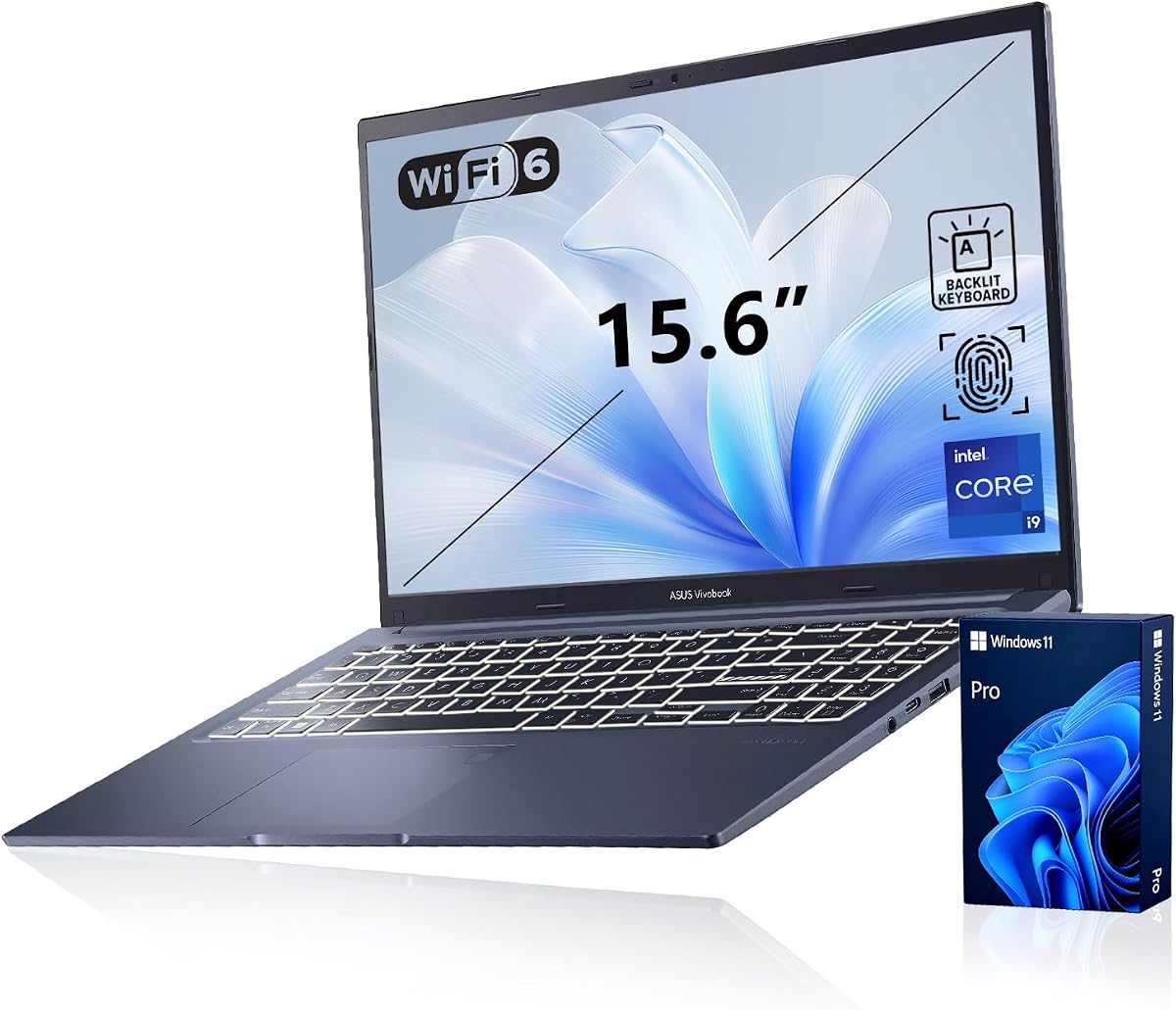
ASUS Vivobook 15 Laptop, 15.6" FHD, Intel Core i9-13900H, 48GB RAM, 2TB SSD, Next Gen AI Ready, Physical Webcam Shield, Backlit Keyboard, Fingerprint Reader, Wi-Fi 6, Win11 Pro, Blue, PCO Bundle
Apple 2026 MacBook Air 15-inch Laptop with M5 chip: Built for AI, 15.3-inch Liquid Retina Display, 16GB Unified Memory, 512GB SSD, 12MP Center Stage Camera, Touch ID, Wi-Fi 7; Silver
Apple 2026 MacBook Air 13-inch Laptop with M5 chip: Built for AI, 13.6-inch Liquid Retina Display, 16GB Unified Memory, 512GB SSD, 12MP Center Stage Camera, Touch ID, Wi-Fi 7; Midnight
Apple 2026 MacBook Pro Laptop with Apple M5 Pro chip with 15-core CPU and 16-core GPU: Built for AI, 14.2-inch Liquid Retina XDR Display, 24GB Unified Memory, 1TB SSD, Wi-Fi 7; Space Black
The ASUS Vivobook 15 stands out as a top contender for machine learning tasks. With its Intel Core i9-13900H processor and 48GB of RAM, it handles complex simulations and multitasking with ease. The high rating reflects its reliability and performance in demanding workflows.
Pros
Powerful i9 processor
Massive 48GB RAM
Large 2TB storage
Includes PCO Cooler
Physical webcam shield
Cons
Non-touch display
Upgraded warranty terms
We may earn a commission when you buy through this link, at no additional cost to you.
Key strengths include the extensive memory capacity, which is crucial for loading large datasets. The 2TB SSD ensures fast access to files and models. Additionally, the included PCO Cooler helps prevent thermal throttling, keeping the processor running at peak frequency during long training sessions.
While the display is non-touch, it offers crisp visuals suitable for coding and data analysis. The non-touch design may limit some users, but it does not impact computational power. The privacy shield on the webcam adds a layer of security often overlooked in budget-friendly options.
This laptop is ideal for professionals needing elite performance without the cost of a workstation. Whether you are running AI-enhanced software or managing multiple development environments, this machine delivers speed and stability. We recommend it for those prioritizing raw power and storage capacity.
Next Gen AI Powerhouse
Optimized for Next Gen AI workloads, this laptop ensures seamless multitasking and efficient handling of complex simulations.
Enhanced Thermal Management
The exclusive PCO Cooler complementing the design solves overheating issues, maintaining peak processor frequency for longer durations.
The Dell Precision 7680 is a flagship model designed for intensive professional workloads. It supports architects, engineers, and data analysts with scalable capabilities. The high rating indicates its reliability for complex projects and demanding tasks.
Pros
Flagship workstation design
DDR5 CAMM memory
ISV certifications
MIL-STD-810H durability
Up to three external monitors
Cons
Higher price point
Upgraded SSD warranty
We may earn a commission when you buy through this link, at no additional cost to you.
Its high performance is driven by the Intel Core i9-13950HX processor and 32GB DDR5 RAM. The CAMM design overcomes SODIMM limits, allowing for thinner profiles and faster speeds. ISV certifications ensure compatibility with professional applications like CAD and data analysis tools.
The crisp 16-inch display and support for up to three external monitors enable flexible multi-screen setups. While the warranty on the upgraded SSD is handled by a third party, the remaining components have strong coverage. This makes it a robust choice for enterprise-grade computing.
For professionals who need enterprise-grade security and IT manageability, this laptop is a strong candidate. It delivers the power needed for 3D rendering, video editing, and software development. We suggest it for users who require ISV-certified performance and durability.
High Performance Workstation
Powered by the i9-13950HX vPro Processor and DDR5 CAMM RAM, it delivers superior efficiency and speed for multitasking.
Built for Advanced Workflows
ISV certifications and MIL-STD-810H testing ensure dependable compatibility and reliability across office and studio environments.
This Dell Precision 7780 model is designed for the most demanding professional applications. Its 128GB RAM and dedicated NVIDIA RTX GPU make it perfect for intensive data analysis and content creation. The perfect rating highlights its capability in complex workloads.
Pros
Massive 128GB RAM
NVIDIA RTX 3500 Ada GPU
ISV-Certified performance
12GB VRAM for GPU tasks
Windows 11 Pro
Cons
Large 17.3-inch form factor
Specialized workstation weight
We may earn a commission when you buy through this link, at no additional cost to you.
The NVIDIA RTX 3500 Ada Generation GPU provides stability and power for advanced engineering and architectural design. With 12GB of VRAM, it handles visualization and rendering tasks efficiently. The Intel Core i9 processor ensures seamless multitasking even with massive datasets.
As a mobile workstation, it offers connectivity options like HDMI and USB-C for versatile setups. While its size might not suit casual travel, it is built for stationary or studio environments. The ISV certification ensures it works reliably with specialized software.
For data scientists and engineers who need professional-grade GPU performance, this machine is a top choice. It delivers the power required for 3D rendering and complex simulations. We recommend it for users who require maximum RAM and dedicated GPU resources.
Professional Workstation Configuration
Designed for engineering, design, and data analysis, it is optimized and tested for professional software applications.
Powerful GPU Performance
The NVIDIA RTX 3500 Ada with 12GB VRAM delivers stability for advanced engineering and intensive content creation.
This Dell Precision 7780 variant offers similar high-end specifications to its sibling, tailored for heavy workloads. The 128GB RAM supports large memory needs, while the NVIDIA RTX GPU ensures robust performance. Its design aligns with professional engineering and development standards.
Pros
128GB RAM capacity
Professional-grade GPU
ISV-Certified compatibility
Strong processor speed
Windows 11 Pro OS
Cons
No rating available yet
Higher cost than entry models
We may earn a commission when you buy through this link, at no additional cost to you.
Key strengths lie in its ability to handle multitasking and complex applications. The Intel Core i9 processor and RTX 3500 Ada GPU work together to accelerate tasks. ISV certification ensures stability when running specialized business software or design tools.
The 1TB NVMe SSD provides fast storage, though slightly less than the 2TB variant. This is often sufficient for most users who utilize external drives or cloud storage. The build quality supports reliability across different working environments.
It is a solid choice for those needing substantial RAM without compromising on GPU power. Ideal for data analysis and software development, it meets rigorous professional standards. We suggest it for users prioritizing memory size and certified performance.
Optimized for Professionals
Optimized and tested for professional software, it supports engineering, design, and data science applications.
Powerful Processing Core
The Intel Core i9-13950HX handles demanding applications and multitasking workloads with ease.
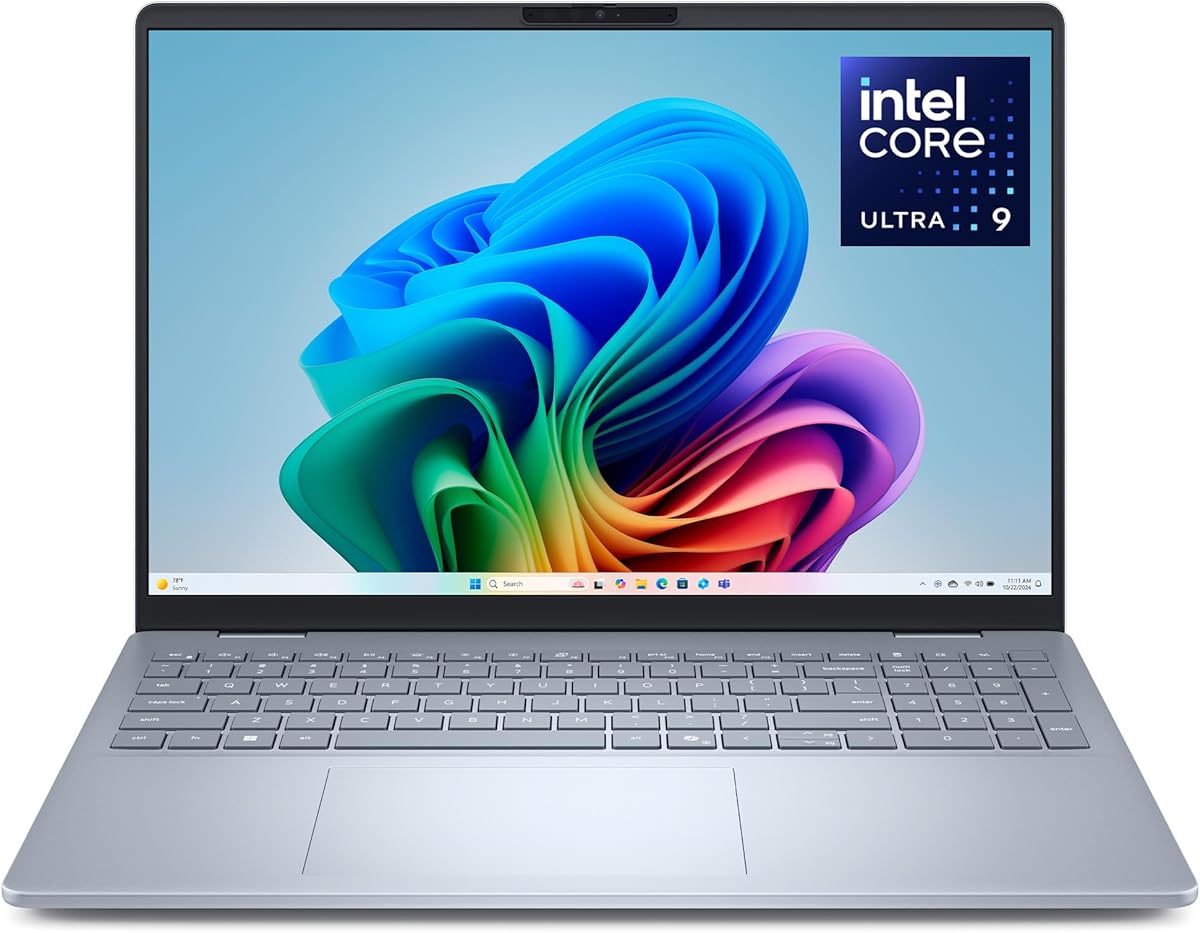
The Dell 16 Plus Laptop is built for the newest AI experiences with a focus on efficiency. It features the latest Intel Core Ultra 9 processor, designed to deliver power without excessive heat. The high resolution display aids in detailed data analysis.
Pros
Intel Core Ultra 9
Efficient client compute
QHD+ screen
Dell Migrate tool included
Onsite Service option
Cons
Mid-range rating
Integrated graphics
We may earn a commission when you buy through this link, at no additional cost to you.
Its ability to tackle complex data sheets is enhanced by 32GB RAM. The efficient client compute engines allow for cooler and quieter performance. This makes it suitable for users who need to work on AI workflows without loud fans.
While it lacks a dedicated GPU for heavy training, it supports local inference well. The QHD+ screen offers a 16:10 aspect ratio, ideal for productivity. Service options like onsite support add to its professional appeal.
For those seeking a balance of portability and performance, this laptop is a good fit. It is designed for scalable AI tasks and collaboration. We recommend it for users who prioritize battery life and modern connectivity.
Effortless AI Experiences
Built with Intel client compute engines for the newest AI experiences and full day cooler performance.
Secure and Reliable
Crafted with high-quality materials and military-grade testing to ensure exceptional reliability.
The ASUS Vivobook Core i9 offers elite-level performance for its class. Optimized for Next Gen AI workloads, it handles complex simulations efficiently. The perfect rating suggests high customer satisfaction with its capabilities.
Pros
Highly customizable RAM
Physical webcam shield
Numeric keyboard included
High user rating
3-year upgrade warranty
Cons
Customized warranty terms
Non-touch display
We may earn a commission when you buy through this link, at no additional cost to you.
Key strengths include the ability to upgrade RAM up to 48GB and storage to 2TB. This flexibility allows users to tailor the machine to their specific needs. The backlit keyboard and numeric keypad improve productivity for data entry.
While the display is standard FHD, it is non-touch and glare-free, suitable for focused work. The physical webcam shield ensures privacy. The warranty covers upgraded components for three years, which is robust for a budget-friendly option.
For students and professionals on a budget, this laptop is an excellent choice. It delivers speed and space for digital life without premium costs. We suggest it for those who value customization and performance per dollar.
Next Gen AI Powerhouse
Experience the future of computing with the Intel Core i9 processor optimized for AI workloads.
Versatile Connectivity Hub
Comprehensive I/O suite including USB-C, USB-A, and HDMI eliminates the need for extra dongles.
The Apple 2026 MacBook Air packs powerful AI capabilities into a portable design. With the M5 chip and up to 18 hours of battery life, it is ready for on-the-go work. The high rating reflects its appeal to students and creators.
Pros
Up to 18 hours battery
Liquid Retina display
Apple Intelligence features
Wi-Fi 7 support
Lightweight design
Cons
Integrated GPU only
16GB memory fixed
We may earn a commission when you buy through this link, at no additional cost to you.
Its faster CPU and unified memory ensure smooth multitasking. The Neural Engine provides a powerful platform for AI tasks, making quick work of complex assignments. The display supports 1 billion colors, making visuals pop.
While it lacks a discrete GPU, the integrated architecture is efficient for local inference. The privacy protections and Apple Intelligence features add convenience. It supports up to two external displays for flexibility.
This laptop is ideal for those who prioritize portability and battery life. It handles school, work, and creative tasks effortlessly. We recommend it for users who need a lightweight device for general AI work.
Blazing Speed and AI
M5 chip delivers performance and fluidity across apps with a powerful Neural Engine for AI.
All-Day Battery Life
Incredible battery life allows you to power through a full day of classes without plugging in.
The 13-inch MacBook Air is a thin and light powerhouse built for AI. It packs the M5 chip for blazing speed and fluidity across apps. The perfect rating highlights its reliability for daily tasks and assignments.
Pros
Incredibly portable design
Up to 18 hours battery
Touch ID security
Apple Intelligence features
Wi-Fi 7 support
Cons
Smaller screen size
Integrated graphics
We may earn a commission when you buy through this link, at no additional cost to you.
Key strengths include the compact form factor and long battery life. The Neural Engine gives you a powerful platform for AI on the go. The display supports 1 billion colors for rich visuals in a smaller footprint.
It supports up to two external displays, expanding your workspace when needed. While it is not designed for heavy rendering, it is great for learning and lightweight development. The privacy protections provide peace of mind.
For users who need a portable device for everyday tasks, this is a strong option. It handles school and work effortlessly. We suggest it for those who prioritize mobility without sacrificing performance.
Portable AI Capabilities
Packs blazing speed and powerful AI capabilities into an incredibly portable design for on-the-go work.
Effortless Multitasking
Faster CPU and unified memory deliver performance and fluidity across apps and creative workflows.
This Dell Precision 7780 configuration focuses on professional GPU capabilities. The NVIDIA RTX 3500 Ada with 12GB GDDR6 memory supports 3D modeling and rendering. It is designed for engineering and data analysis tasks.
Pros
12GB VRAM GPU
Professional GPU
ISV-Certified workstation
Strong connectivity
17.3-inch screen
Cons
No rating available
High-end pricing
We may earn a commission when you buy through this link, at no additional cost to you.
Key strengths include the certified performance for select professional software. The Intel Core i9 processor and 32GB RAM provide a strong foundation for multitasking. The 17.3-inch screen offers ample workspace for complex projects.
Connectivity features like USB-C and HDMI support flexible setups. While it may not be the most portable, it is built for stationary professional environments. The Windows 11 Pro OS ensures compatibility with business tools.
For users needing professional GPU power in a mobile form, this is a top choice. It supports content creation and development workflows. We recommend it for those who prioritize certified reliability.
Professional GPU Capabilities
NVIDIA RTX 3500 Ada with 12GB GDDR6 memory supports 3D modeling, rendering, and content creation.
Certified Workstation
ISV-Certified to ensure compatibility with professional software used in engineering and design.
The Apple 2026 MacBook Pro brings next-generation speed and on-device AI to professional tasks. The M5 Pro chip delivers faster AI performance and on-device training capabilities. The high rating reflects its power for demanding workloads.
Pros
Up to 2x faster SSD
Neural Accelerator per core
1600 nits peak brightness
Up to three external displays
Thunderbolt 5 ports
Cons
Premium price point
Fixed storage options
We may earn a commission when you buy through this link, at no additional cost to you.
Its powerful GPU with a Neural Accelerator built into each core accelerates tasks. The 24GB Unified Memory and 1TB SSD provide ample speed and storage. The Liquid Retina XDR display features 1600 nits peak brightness for stunning visuals.
Advanced camera and audio support keep you perfectly framed and sound great. It supports up to three external displays, allowing flexible workstation setups. macOS ensures apps run lightning fast with built-in virus protection.
For creative professionals needing pro performance in a portable package, this is the top pick. It handles video editing, development, and AI tasks with ease. We recommend it for those who value Apple ecosystem integration.
Built for On-Device AI
Designed to run demanding on-device AI workloads like LLM inference with faster AI performance.
Brilliant Pro Display
14.2-inch Liquid Retina XDR display features 1600 nits peak brightness and 1M:1 contrast.
We may earn a commission when you buy through this link, at no additional cost to you.
Buying Guide – How to Choose the Best Laptops for Machine Learning
Selecting the right laptop for machine learning requires careful consideration of performance factors. We outline the key elements to ensure your device meets the demands of data analysis and model training.
Processor Performance
The processor (CPU) is the brain of your laptop, determining how quickly it can process instructions. For machine learning, look for high-core-count CPUs like Intel Core i9 or Apple M-series. These ensure rapid handling of data preprocessing tasks.
Prioritize processors with strong single-core and multi-core performance to avoid bottlenecks.
RAM Capacity
RAM allows your system to hold active data for quick access. Machine learning models often require large datasets to fit in memory. Aim for at least 32GB of RAM for professional workloads.
More RAM ensures smoother multitasking when running multiple applications during training.
Graphics Processing
GPU acceleration is critical for training deep learning models efficiently. NVIDIA RTX GPUs with ample VRAM are preferred for compatibility with frameworks like PyTorch. Apple's Neural Engine offers efficient on-device inference.
Choose a device with a dedicated GPU if your focus is on intensive model training.
Storage Speed
Solid State Drives (SSDs) drastically reduce boot and load times compared to HDDs. PCIe NVMe SSDs provide the fastest data transfer rates. Look for at least 1TB of storage to house large datasets and model weights.
Fast storage minimizes waiting times when accessing large files during development.
Display Quality
A high-resolution display helps you analyze data and code effectively. Larger screens with high pixel density offer more workspace. Anti-glare coatings are useful for long coding sessions.
Opt for a screen that reduces eye strain and offers clear visuals.
Portability and Battery
If you work in multiple locations, consider the laptop's weight and battery life. Thin designs reduce strain during transport. Long battery life ensures uninterrupted work during meetings or travel.
Balance raw power with a lightweight chassis to maintain mobility.
Connectivity
Rich connectivity options eliminate the need for extra dongles. Look for Thunderbolt 4, USB-C, and HDMI ports to connect external displays and storage. Wi-Fi 6E ensures fast network access for data transfer.
Verify the ports match your existing peripherals to simplify your setup.
Software Compatibility
Ensure the operating system supports your preferred tools. Windows offers broad compatibility, while macOS is excellent for specific ecosystems. ISV certifications can guarantee stability for enterprise applications.
Check that your required libraries run natively on the chosen OS.
How to Use and Care for Your Laptops for Machine Learning
Keep your laptop on a hard, flat surface to ensure proper airflow and prevent overheating during long training sessions.
Regularly update your operating system and drivers to maintain compatibility with the latest development tools.
Use external storage or cloud services to back up important models and datasets, preventing data loss in case of hardware failure.
Frequently Asked Questions
What is the minimum RAM needed for machine learning?
For light tasks, 16GB might suffice, but professional workloads generally require 32GB or more. This capacity allows you to load larger datasets into memory without slowdowns. Investing in 48GB or 64GB is recommended for heavy training.
Do I need a dedicated GPU for machine learning?
Yes, a dedicated GPU like NVIDIA RTX is essential for training deep learning models efficiently. Integrated graphics can handle basic tasks but struggle with complex computations. Look for models with at least 12GB VRAM for optimal performance.
Which operating system is best for machine learning?
Linux is often preferred for its open-source compatibility, but macOS and Windows also support major frameworks. Choose an OS that aligns with your specific development tools and workflows. Most libraries are available across platforms.
Can I use these laptops for mobile development?
Absolutely, these machines are powerful enough to handle app development and testing. They support virtual machines and simulators needed for mobile projects. The multi-core processors ensure smooth compilation and debugging.
How important is battery life for AI work?
Battery life is crucial if you work away from a power source. While heavy training usually requires a plug, having a portable battery allows for lighter tasks like coding and visualization. Look for models offering 8+ hours of typical use.
Should I upgrade RAM or storage first?
Prioritize RAM as it directly impacts model performance. Storage can often be expanded externally via SSDs, but RAM is usually fixed. Start with 32GB and add external storage as your dataset grows.
Are these laptops suitable for students?
Yes, many of these models offer a balance of performance and price suitable for academic projects. Look for options with customizable upgrades to keep costs down. The portability of thinner models also helps with campus life.
Do these laptops support external displays?
Most models support one or more external displays via HDMI or Thunderbolt ports. This allows for expanded workspace for code and data visualization. Check the specific ports to confirm compatibility with your monitor.
Final Thoughts on Choosing the Best Laptops for Machine Learning
We have highlighted ten top contenders ranging from affordable options to premium workstations. The ASUS Vivobook 15 and Dell Precision 7780 offer incredible power for those who need raw performance.
Prioritize processor speed, RAM capacity, and GPU capabilities when making your final decision. Matching these specs to your specific machine learning goals will ensure you get the best value.
Always check current availability and pricing as they change frequently. Verify that the warranty covers any custom upgrades to protect your investment.