
EVISTR 64GB Digital Voice Recorder
4.2Editor score
64GB high capacity memory
Voice activated recording
Noise reduction technology
This guide compares the top handheld recorders for journalists featuring sound quality, battery life, and durability for field reporting needs in 2026.
Journalists often need reliable tools to capture clear audio in challenging environments. A good handheld recorder ensures you never miss a crucial quote or ambient sound during your reporting duties.
We evaluated ten top models based on microphone quality, battery endurance, and ease of use. Each device offers unique features tailored to the fast-paced demands of modern journalism and field work.
Every pick highlights key strengths and potential limitations for real-world scenarios. Please note that product availability and pricing can change frequently, so verify details before purchasing your next recording tool.
4.2Editor score

4.7Editor score
4.2Editor score
The following table provides a side-by-side overview of the most prominent handheld recording devices available for journalists today. Compare key specifications and features to find the perfect fit for your workflow.




The Zoom H5 stands out as a top choice for journalists seeking versatility and quality. With a strong rating from users, it delivers professional-grade audio for diverse recording scenarios.
We may earn a commission when you buy through this link, at no additional cost to you.
Its interchangeable capsule system allows you to adapt quickly to different environments, whether capturing a quiet interview or a loud event. The four-track recording capability ensures you never lose critical audio segments.
While the unit offers impressive performance, it does require external power when using certain inputs like XLR microphones. Additionally, mastering all features takes time compared to simpler point-and-shoot devices.
This recorder is ideal for professionals who need reliable equipment for long-term use. If you prioritize flexibility and sound fidelity, the H5 remains a market leader in handheld digital recorders.
Swap out input capsules to match specific recording needs, from stereo field work to focused voice interviews.
Protects against unexpected audio spikes by recording a backup track at a lower gain level automatically.
We may earn a commission when you buy through this link, at no additional cost to you.
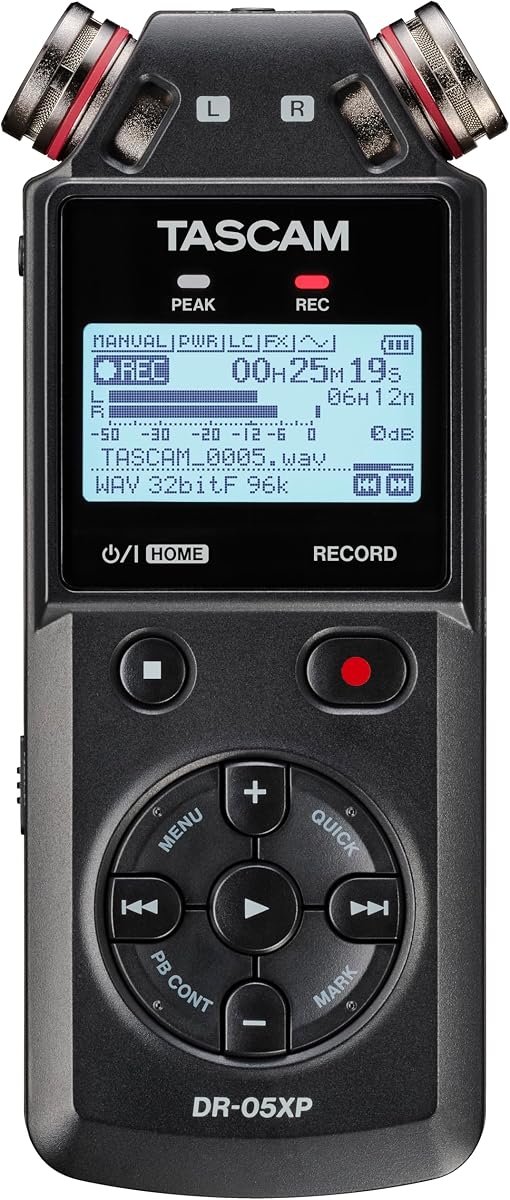
The TASCAM DR-05XP brings modern 32-bit float technology to journalists needing reliability in dynamic environments. It ensures audio clarity even when volume levels fluctuate wildly during unexpected events.
We may earn a commission when you buy through this link, at no additional cost to you.
Its flexible recording modes support everything from high-resolution WAV to efficient MP3 formats. The omnidirectional microphones can handle sound pressure levels up to 125dB without distortion.
On the downside, you need to purchase batteries and SD cards separately to use this device out of the box. This initial cost adds to the overall budget for setting up your recording kit.
If you want a recorder that minimizes technical headaches in the field, this model is a strong candidate. It balances professional features with a manageable form factor for daily carry.
Eliminates the fear of clipping by capturing a wide dynamic range that can be adjusted during post-processing.
Connects directly to computers for seamless transfer and direct recording, acting as an external audio interface.
We may earn a commission when you buy through this link, at no additional cost to you.
The EVISTR L357 offers exceptional value for journalists needing basic but effective recording capabilities. It stands out with an impressive 64GB capacity that stores thousands of hours of interview audio.
We may earn a commission when you buy through this link, at no additional cost to you.
Its PCM intelligent noise reduction technology helps isolate voice from background noise effectively. Users appreciate the voice-activated feature which automatically records when speech is detected and saves storage space.
Although it performs well for general dictation and interviews, it lacks some advanced editing controls found in higher-end units. The build is functional but may not withstand extreme physical stress over years of heavy use.
For those starting out or needing a backup device, this recorder hits the mark perfectly. It provides essential tools for capturing clear audio without a significant financial investment.
Stores up to 4660 hours of recording files at standard settings, ideal for long assignments or archiving.
Automatically starts and stops recording based on sound levels to eliminate silence and save battery power.
We may earn a commission when you buy through this link, at no additional cost to you.
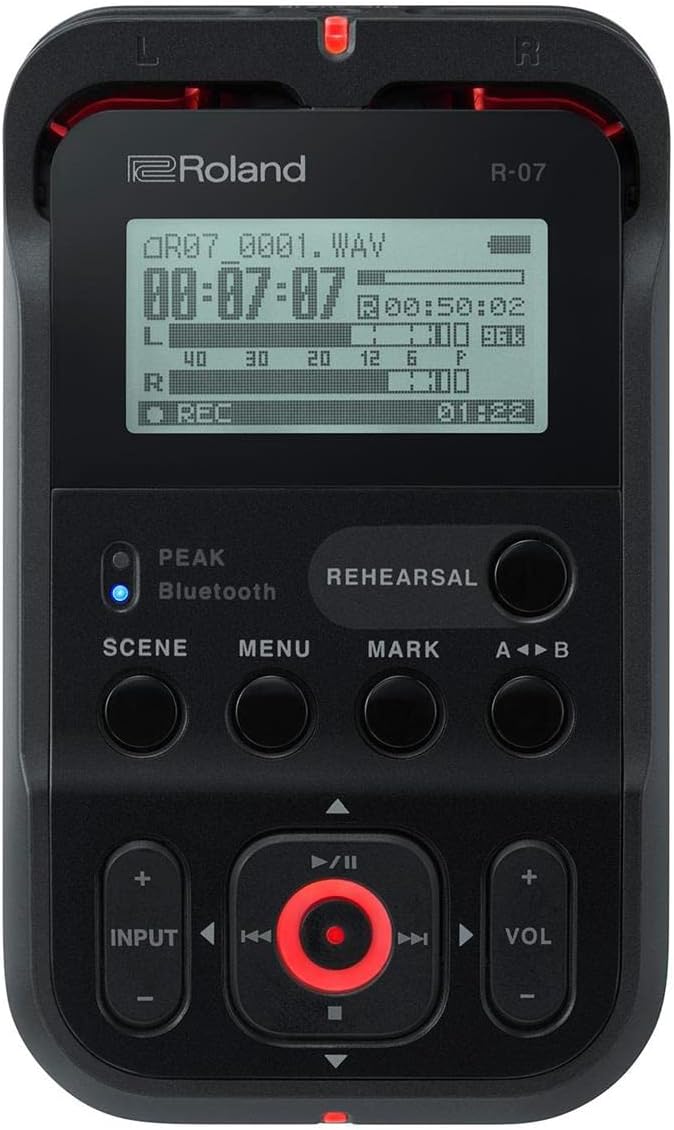
The Roland R-07 is designed for professionals who need high-resolution audio in a pocket-friendly package. It captures detailed sound suitable for broadcast quality while remaining easy to carry.
We may earn a commission when you buy through this link, at no additional cost to you.
Unique features like Bluetooth control allow you to monitor and adjust settings from your smartphone seamlessly. The one-touch templates simplify setup so you can start recording quickly in fast-moving situations.
While the recording quality is excellent, the price is higher than many competitors with similar features. Additionally, the screen backlight can be difficult to read in bright sunlight despite the white LED design.
This device suits journalists who prioritize wireless integration and high-quality file formats. It bridges the gap between traditional recorders and modern smart device connectivity for enhanced workflow.
Use supported smart devices or Bluetooth speakers to control playback and recording with minimal lag.
Save a high-quality WAV file and a smaller MP3 backup at the same time for flexibility and safety.
We may earn a commission when you buy through this link, at no additional cost to you.
The Tonfarb recorder focuses on simplicity and speed, which are critical traits for on-the-ground reporting. Its one-click recording function ensures you capture a moment even if the device was recently powered off.
We may earn a commission when you buy through this link, at no additional cost to you.
Equipped with a 64GB TF card and PCM recording capabilities, it offers substantial storage for extensive daily notes. Password protection helps keep sensitive interview data secure during transport or shared spaces.
However, the interface lacks the polish of major brands, which might slow down navigation for power users. It serves well for basic tasks but might lack the robustness needed for high-stakes production environments.
If you need a straightforward, high-capacity device without complex features, this is a viable option. It prioritizes core functionality and storage to meet the daily needs of active writers and reporters.
Side buttons designed for quick operation ensure you never miss a critical moment during a conversation.
Password protection safeguards your personal memos and important audio files from unauthorized access easily.
We may earn a commission when you buy through this link, at no additional cost to you.
The Tascam DR-40 remains a popular choice for those who appreciate classic digital recording reliability. It offers a robust four-track system that handles multi-source audio scenarios with efficiency.
We may earn a commission when you buy through this link, at no additional cost to you.
Users appreciate its straightforward operation and sturdy construction which stands up well to regular travel demands. The silver finish is distinct and the package dimensions make it easy to fit in a gear bag.
While reliable, it may lack some of the modern USB-C or wireless features found in newer generations of devices. It represents a more traditional approach to digital recording focused on core utility.
If you prioritize physical durability and straightforward recording tracks over smart features, this model is suitable. It continues to perform well for basic interviews and sound capture tasks consistently.
Supports simultaneous recording on four channels to capture multiple microphones or inputs at once.
Compact form factor ensures the unit fits easily into pockets or small bags for daily carry.
We may earn a commission when you buy through this link, at no additional cost to you.
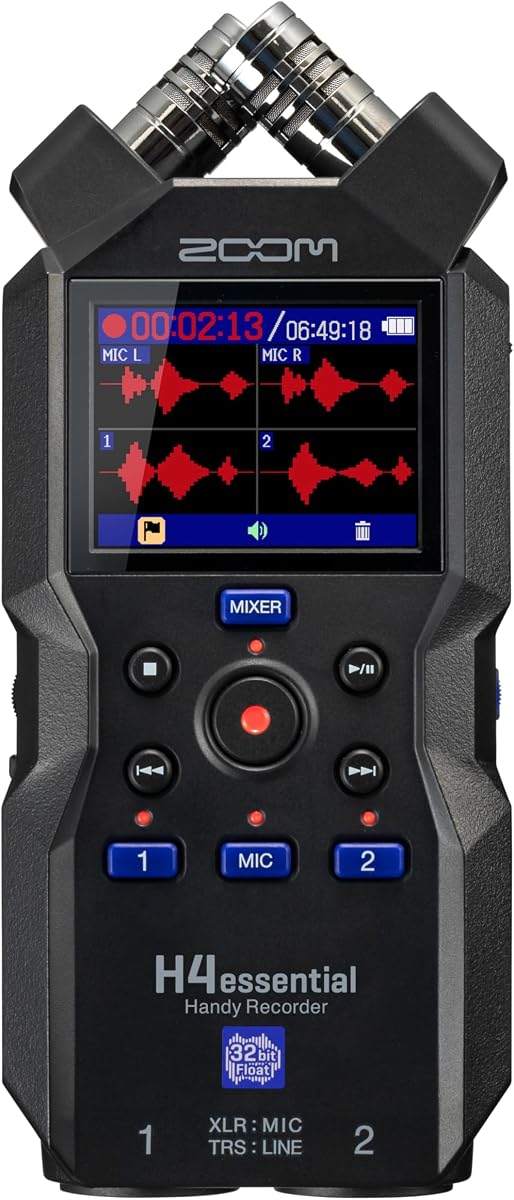
The Zoom H4 Essential provides a balanced mix of performance and accessibility for diverse creative needs. It supports four-track recording which is essential for layering interviews with ambient sound or music.
We may earn a commission when you buy through this link, at no additional cost to you.
Spoken menu guidance makes it a unique choice for visually impaired users or those who prefer auditory feedback. The USB-C connection allows for direct power and streaming into computers without additional adapters.
However, the device runs on batteries rather than drawing continuous power via USB which might limit long-term recording sessions. Users should keep spare power sources handy for extended fieldwork or long events.
This recorder is well-suited for journalists who need a versatile unit with modern connectivity. It bridges the gap between simple voice recorders and professional audio interfaces effectively.
Connect professional microphones or instruments directly using combo connectors for higher fidelity audio capture.
Use the recorder as a USB microphone for streaming or transfer files quickly via modern ports.
We may earn a commission when you buy through this link, at no additional cost to you.
The Pocket AI Voice Recorder redefines the category by focusing on productivity and content synthesis. It acts as an assistant that not only records but also transcribes and summarizes your meetings instantly.
We may earn a commission when you buy through this link, at no additional cost to you.
Its MagSafe compatibility allows for hands-free recording on compatible iPhones which is perfect for multitasking interviews. The battery lasts up to four days on a single charge ensuring you stay powered through busy travel days.
While core features are available out of the box, accessing advanced tools may require a subscription. This model is less about raw audio fidelity and more about turning spoken words into actionable written notes.
Journalists who need quick summaries and digital notes rather than raw audio files will love this device. It integrates seamlessly into modern mobile workflows to boost daily efficiency significantly.
Automatically turns recordings into clear summaries and key action items so you can review what matters quickly.
Capture meetings and conversations instantly with a simple tap and no typing or setup required at all.
We may earn a commission when you buy through this link, at no additional cost to you.
The Zoom H1 Essential is designed for creators and journalists needing portable sound enhancement. It captures clear stereo audio that improves over standard phone or camera recording for videos and interviews.
We may earn a commission when you buy through this link, at no additional cost to you.
It connects via USB-C to function as a microphone for calls and streaming. This makes it a versatile tool for those who need both field recording and desk-based streaming capabilities in one device.
While it excels at portability, it lacks XLR inputs for external professional microphones. Users must rely on its built-in mics which are good but not suitable for all professional broadcast standards.
This unit is perfect for journalists who need a simple, high-quality audio source for content creation. It balances ease of use with enough fidelity for most web and digital reporting needs.
Captures detailed audio for videos and interviews ensuring voices come through clearly compared to phone mics.
Connect via USB for desktop or mobile recording to use as a high-quality microphone for livestreams.
We may earn a commission when you buy through this link, at no additional cost to you.
The Zoom H2 Essential combines high fidelity with accessibility features making it unique in the market. It records clip-free audio at any volume level thanks to 32-bit float technology which is ideal for unpredictable environments.
We may earn a commission when you buy through this link, at no additional cost to you.
With three built-in microphones and nine selectable patterns, you can capture everything from focused dialogue to wide soundscapes. Wireless Bluetooth control allows for precise timing and syncing across multiple units for complex projects.
The unit includes audible menu navigation in multiple languages which aids visually impaired users significantly. While it costs more than basic recorders, the feature set justifies the investment for professional use.
Journalists seeking a balance of professional audio quality and inclusive design will find this model highly useful. It ensures you capture audio reliably while respecting diverse user needs and preferences.
Records clip-free audio at any volume level without ever adjusting gain for safe and consistent capture.
Offers audible menu navigation in seven languages to support blind and visually impaired users fully.
We may earn a commission when you buy through this link, at no additional cost to you.
Choosing the right handheld recorder depends on your specific fieldwork needs and technical requirements. Consider these factors to ensure you select a device that enhances your reporting capabilities.
High-quality built-in microphones are essential for capturing clear voice and ambient sounds without external gear. Look for recorders with omnidirectional or X/Y patterns to ensure balanced stereo capture in varied environments.
Prioritize devices that specify signal-to-noise ratios and handle high sound pressure levels to avoid distortion.
Long interviews and field sessions require substantial storage space to avoid frequent file transfers or interruptions. Devices with built-in memory or support for high-capacity SD cards provide peace of mind during extended shoots.
Always check the maximum supported card size to ensure compatibility with your storage needs and budget.
For journalists working in remote locations, battery endurance is as important as sound quality itself. Check if the unit uses AA batteries for easy replacement or rechargeable internal batteries for convenience.
Choose a model that offers enough power for a full day of recording sessions without needing a recharge.
Modern workflows often require USB connections for direct file transfer and charging without extra cables. Bluetooth capabilities can also enhance control options allowing you to manage settings via smartphone apps.
Ensure the recorder supports the file transfer speeds you need for editing and uploading content efficiently.
Complex menus can hinder quick access during breaking news situations so intuitive controls are a major benefit. Look for physical buttons for critical functions like record and stop rather than touch-only interfaces.
Consider models with spoken menus or clear displays if visual clarity is a priority for your workflow.
Field reporting often involves carrying equipment in rough conditions so a sturdy build is critical for longevity. Metal casings offer better protection against drops and impacts compared to plastic alternatives.
Select a device with a form factor that fits comfortably in your pocket or gear bag for daily use.
Advanced features like noise reduction and voice activation can streamline your workflow by filtering silence. High-resolution formats such as WAV ensure you retain quality for professional editing and archival purposes.
Look for clipping prevention features like 32-bit float recording to avoid ruining critical audio moments.
While budget options are tempting, investing in a reliable unit can save costs in the long run due to durability. Evaluate the total cost including necessary accessories like SD cards and power sources before purchasing.
Prioritize models that offer the best balance of performance and price for your specific reporting requirements.
Always format your memory card in the recorder before first use to prevent file corruption. Initialize the device in the field where you plan to use it to ensure proper microphone positioning and battery status.
Regularly update the firmware provided by the manufacturer to benefit from performance improvements and bug fixes. Keep your recording device clean using a soft cloth to prevent dust from entering ports and buttons.
Store your recorder in a protective case when not in use to prevent scratches and damage from impacts. Ensure you fully charge rechargeable batteries or replace disposables before every major assignment to avoid failure.
The Zoom H5 is often considered the top choice due to its versatile capsules and four-track recording. However, the TASCAM DR-05XP is excellent for those prioritizing 32-bit float safety. Select based on your need for expandability or simplicity.
Yes, high-end voice recorders can capture broadcast quality audio suitable for professional use. Look for models with 32-bit float capability or WAV formats to ensure your recordings meet industry standards. Avoid low-bitrate MP3 for critical interviews.
While many have decent built-in mics, external mics offer better isolation and sound quality. If your recorder supports XLR or TRS inputs you can connect higher quality microphones for critical reporting. Some devices like the H5 allow capsule swaps for versatility.
Battery life varies widely by model ranging from a few hours to multiple days on a single charge. Rechargeable units often last longer but require access to power while AA batteries are easier to swap in the field. Check specific specs for your needs.
Most handheld recorders are not fully waterproof but many have some degree of dust protection. It is wise to use a protective cover or bag when recording in rain or dusty environments to prevent damage. Always check the IP rating if available.
Most modern units support USB-C or standard USB connections to act as external drives. You can drag and drop files directly or use provided software for organization. Bluetooth transfer is also available on select models for wireless convenience.
Yes, especially for journalism where audio levels can change rapidly without warning. 32-bit float prevents clipping and allows you to adjust volume perfectly in post-production without quality loss. It offers significant peace of mind during critical field recordings.
Many modern recorders offer Bluetooth streaming to allow monitoring or transfer to a smartphone. For direct recording, you typically need an OTG adapter to connect via USB-C. Some AI-enabled devices offer native smartphone integration for seamless workflows.
We reviewed ten top contenders ranging from budget-friendly tools to professional multi-track systems. The Zoom H5 stands out for versatility while the EVISTR L357 offers incredible value for storage and basic performance.
Prioritize battery life and storage capacity to ensure you can capture complete stories without interruptions. Consider connectivity options like USB-C and Bluetooth to keep your workflow efficient in modern digital environments.
Always verify the current availability and features before purchasing to ensure the device meets your evolving needs. With the right recorder you can capture audio clearly and confidently in any reporting situation.