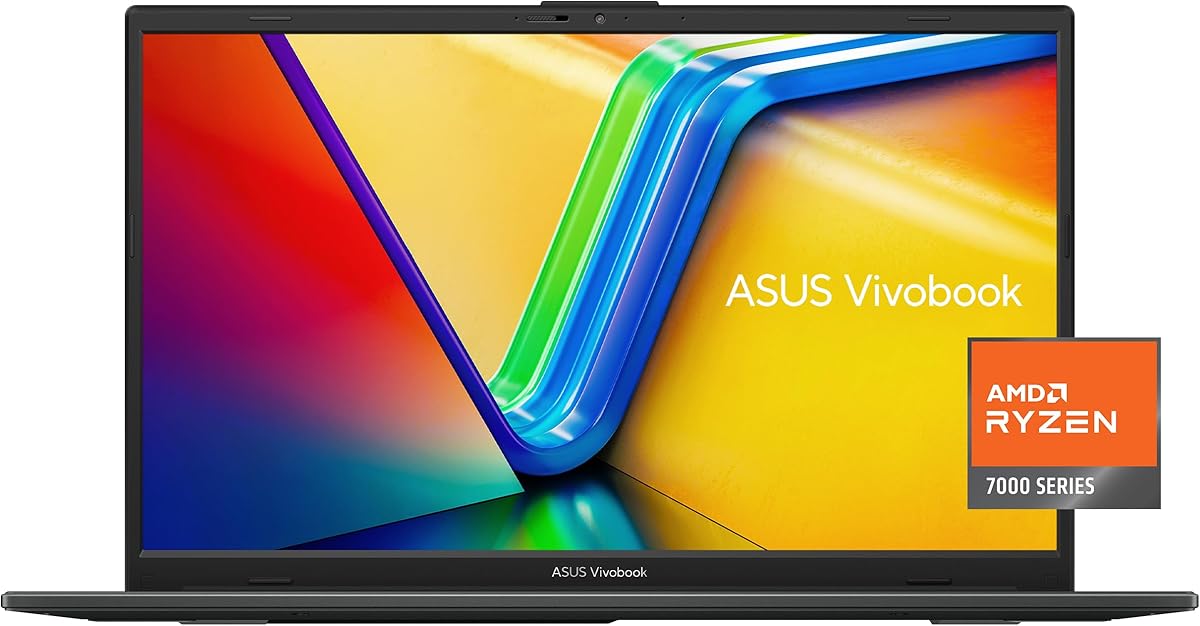
ASUS Vivobook Go 15.6” FHD Slim Laptop
4.3Editor score
AMD Ryzen 3 7320U Processor
8GB DDR5 RAM Memory
128GB SSD Storage
Finding the right device for school requires balancing performance with portability and durability. ASUS offers a wide range of laptops tailored to meet these demands effectively.
This guide compares ten real models based on processor power, memory, storage, and build quality. We analyze specs to help you choose the right fit for your budget.
Each pick highlights key strengths and trade-offs for student workflows. Note that stock and specifications may change over time, so verify details before purchasing.
4.3Editor score

4.8Editor score

4.5Editor score
As an Amazon Associate we earn from qualifying purchases.
The following table provides a quick side-by-side overview of all ten models. Compare their key specifications to see which matches your specific academic requirements.


This laptop delivers essential performance for students on a tight budget. It scores a solid 4.3 rating for its reliable build and fast memory. The slim design makes it easy to carry between classes daily.
We may earn a commission when you buy through this link, at no additional cost to you.
The AMD Ryzen 3 7320U processor handles browsing and productivity apps smoothly. Eight gigabytes of DDR5 RAM ensure multiple tabs run without lag. The 128GB SSD provides quick boot times for your files.
Storage is limited compared to higher-end models but is sufficient for documents. The lack of heavy graphics power means it is not for gaming. These trade-offs are acceptable for general academic use.
Buy this if you need a portable device for writing and research. It fits well for students prioritizing cost and portability over raw power.
The processor and DDR5 RAM combination ensures smooth daily operation for schoolwork.
Military grade standards guarantee the chassis can handle the rigors of student life.
We may earn a commission when you buy through this link, at no additional cost to you.
This model steps up storage significantly while keeping the processor strong. It receives a 4.3 rating for its balance of speed and capacity. The faster charging helps when you are rushing between lectures.
We may earn a commission when you buy through this link, at no additional cost to you.
The Ryzen 5 processor offers more power than the base model. 512GB of space is ample for photos, videos, and large project files. Wi-Fi 6E ensures stable internet in crowded campus buildings.
Eight gigabytes of RAM is standard but may limit heavy multitasking later. The battery life is decent but not exceptional for all-day use. These factors are minor concerns for most students.
Choose this if you need more storage without a huge cost jump. It is a reliable daily driver for standard university coursework and media.
The larger SSD allows for extensive file archives without needing external drives.
Wi-Fi 6E support ensures you stay online during group projects in busy areas.
We may earn a commission when you buy through this link, at no additional cost to you.
This laptop stands out with its Snapdragon architecture and high RAM capacity. It holds a top 4.8 rating for its modern design and AI capabilities. The 14-inch size is perfect for packing into a backpack.
We may earn a commission when you buy through this link, at no additional cost to you.
The Snapdragon X processor enables Copilot+ PC features for enhanced productivity. Sixteen gigabytes of RAM support heavy multitasking and virtual machines. The integrated Adreno GPU handles video calls smoothly.
Being new architecture means some legacy apps may need emulation or updates. Gaming performance is not comparable to dedicated graphics laptops. These trade-offs are worth it for general academic efficiency.
This is the ideal pick for students who want future-proof tech. Use it for coding, writing, and AI-assisted research tasks.
Built-in AI accelerators help with tasks like live captions and content generation.
The chip efficiency leads to longer battery life for on-campus use.
We may earn a commission when you buy through this link, at no additional cost to you.
This model serves as an entry-level device for very basic tasks. It scores a 3.9 rating which reflects its modest performance limits. The design focuses on thinness and portability for transport.
We may earn a commission when you buy through this link, at no additional cost to you.
The Intel Celeron processor handles web browsing and word processing well. It is great for students who just need a browser and documents. The battery supports fast charging when you are in a rush.
Four gigabytes of RAM can cause slowdowns with many tabs open. The eMMC storage is slower than standard SSDs found elsewhere. These limits make it less suitable for heavy workloads.
Consider this only if you have a strict budget limit. It works for online classes and light assignments effectively.
The slim profile makes it easy to slip into any bag easily.
Designed for essential tasks without unnecessary complex features.
We may earn a commission when you buy through this link, at no additional cost to you.
This laptop offers a larger screen for better multitasking views. It has a strong 4.4 rating for performance and display quality. The 16-inch aspect ratio provides more space for spreadsheets and windows.
We may earn a commission when you buy through this link, at no additional cost to you.
The Snapdragon X processor supports AI tasks and efficient energy use. Sixteen gigabytes of memory allow you to keep many apps open. The high-resolution display makes text sharp and clear.
The larger chassis adds some weight which might bother some travelers. It lacks a touchscreen but works well with the touchpad. These are acceptable trade-offs for the extra screen space.
Buy this if you prefer more visual real estate. It is excellent for research and coding on a desktop substitute.
The wide screen lets you view two documents side by side easily.
The chipset manages battery life well even with the larger screen.
We may earn a commission when you buy through this link, at no additional cost to you.
This model is geared towards professional and academic workloads. It rates a 4.1 for its robust features and build. The inclusion of a docking hub adds significant value for setups.
We may earn a commission when you buy through this link, at no additional cost to you.
The 10-core processor is powerful for complex tasks and simulations. 12GB RAM and 1TB storage offer plenty of room. Windows 11 Pro provides enhanced security tools for data protection.
The price is higher than consumer models but justifies the features. Windows Pro may have unnecessary features for some students. These are minor issues for those needing professional tools.
Choose this if you need a workstation for advanced work. It is great for engineering or business majors.
Windows 11 Pro includes tools for remote desktop and BitLocker security.
The included hub reduces the need for extra adapters for monitors.
We may earn a commission when you buy through this link, at no additional cost to you.
This laptop provides a reliable Intel-based option for students. It holds a 4.2 rating for balanced performance and value. The design is standard but effective for everyday school needs.
We may earn a commission when you buy through this link, at no additional cost to you.
The Core 5 processor offers good speed for productivity apps. Sixteen gigabytes of RAM ensure you can run many apps. The 512GB SSD is a standard size for most needs.
The build quality is functional but not rugged. The display is clear but lacks high-end color accuracy. These limitations are acceptable for general student requirements.
This is a solid pick for those who prefer Intel. It works well for general studies and browsing tasks.
The modern chip ensures quick startup times and efficient multitasking.
16GB RAM prevents slowdowns during heavy online research sessions.
We may earn a commission when you buy through this link, at no additional cost to you.
This model is a powerhouse for demanding academic and creative tasks. It scores a 4.5 rating for performance and build quality. The bundle includes a cooler for sustained high performance.
We may earn a commission when you buy through this link, at no additional cost to you.
The i9 processor handles complex simulations and heavy data tasks. 32GB RAM is overkill for basic tasks but great for engineering. Security features like the fingerprint reader add convenience.
The power consumption is high so battery life may be shorter. The price is significant but you get desktop-class performance. These trade-offs are worth it for power users.
Buy this if you need maximum performance for your major. It suits those in engineering or video editing fields.
The 14-core processor handles heavy workloads without slowing down.
The fingerprint reader and webcam shield protect your privacy effectively.
We may earn a commission when you buy through this link, at no additional cost to you.
This laptop focuses on AI acceleration and modern features. It holds a 4.2 rating for its balance of design and tech. The WUXGA screen offers high visual clarity for details.
We may earn a commission when you buy through this link, at no additional cost to you.
The Ryzen AI 7 processor provides dedicated AI performance. 16GB RAM handles multitasking effectively with ease. The integrated graphics support light gaming and media well.
Some games may not run as well as on dedicated GPUs. New AI features might be new and take getting used to. These are minor hurdles for a modern device.
Choose this if you want the latest AI tech. It is ideal for students who value battery life and speed.
The dedicated NPU enhances specific tasks like video processing efficiently.
The high resolution screen makes reading text and diagrams easy.
We may earn a commission when you buy through this link, at no additional cost to you.
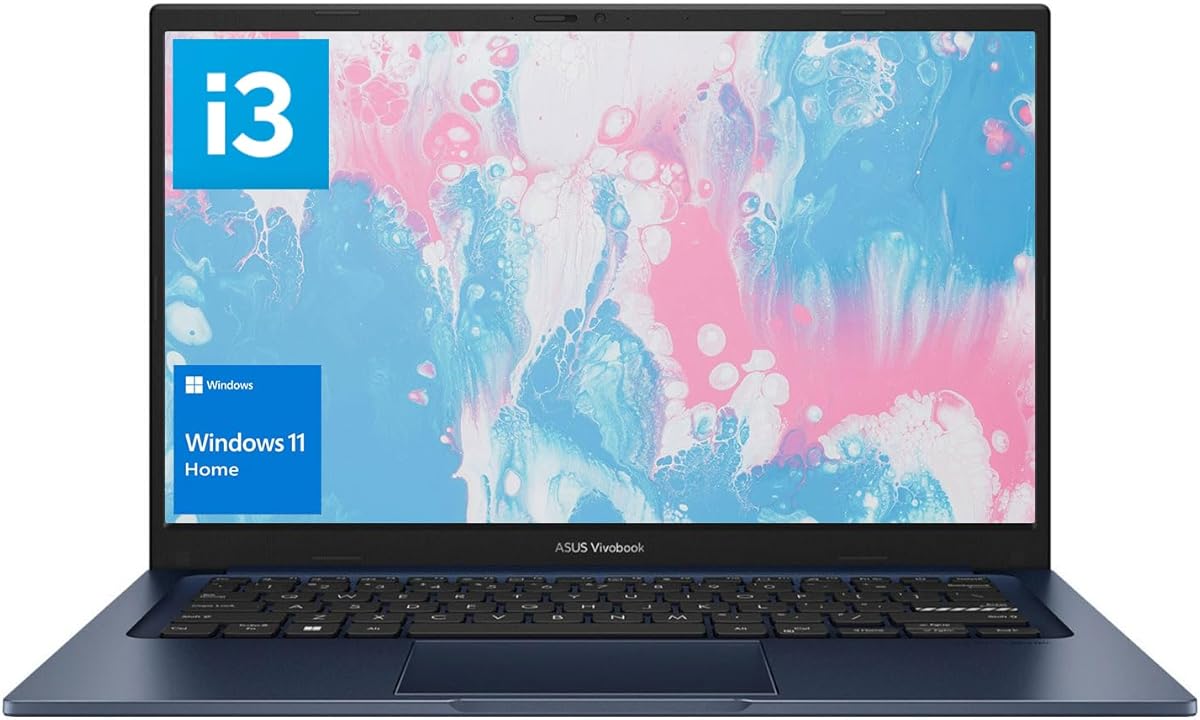
This model offers a surprising amount of RAM for the price. It rates a 4.2 for its value and practical features. The 14-inch size is compact and easy to carry.
We may earn a commission when you buy through this link, at no additional cost to you.
The i3 processor is adequate for web and office apps. Sixteen gigabytes of RAM is a standout feature for this class. The 512GB SSD ensures quick system access.
The CPU is slower than higher tiers but handles basics well. The build feels lightweight and functional. These are reasonable compromises for the cost savings.
This is a great value pick for budget conscious students. It works well for standard coursework and media consumption.
The high memory allows for more open tabs than typical entry models.
Wi-Fi 6 ensures you stay connected during online classes reliably.
We may earn a commission when you buy through this link, at no additional cost to you.
Selecting the right laptop requires considering your specific academic needs and budget constraints.
The processor is the engine of your laptop. For students, an AMD Ryzen 5 or Intel Core 5 is generally the sweet spot for handling multiple apps and research tabs simultaneously without lag.
Prioritize at least a mid-range chip to ensure your device remains fast for several years.
RAM determines how many programs you can run at once. Eight gigabytes is the minimum standard but sixteen is better for heavy multitasking and future proofing.
Aim for 16GB if your budget allows to avoid slowdowns in later years.
Modern laptops should use Solid State Drives rather than hard drives. SSDs boot the system faster and load files instantly which is vital for quick transitions between classes.
Look for at least 512GB of space to store documents and media locally.
You will spend hours looking at the screen so a high resolution is important. Aim for a Full HD panel with good brightness to ensure text is clear in dim lecture halls.
A 14 to 15-inch size offers the best balance of portability and readability.
Campuses often lack available charging outlets so battery life is critical. A device that can last a full school day ensures you are not tethered to a wall socket.
Check reviews for real world usage rather than just the manufacturer claims.
Students often carry laptops in backpacks which can be rough on devices. Look for laptops built to military grade standards or with sturdy hinges to survive drops and bumps.
A durable build protects your investment against accidental damage.
Ensure your device has enough ports for peripherals. A mix of USB-A and USB-C is useful. Wi-Fi 6 support is also important for stable connections in crowded dorms.
Having the right ports reduces the need for extra dongles daily.
Since you will be typing essays daily, a comfortable keyboard is essential. Look for models with good key travel and backlighting for late night study sessions.
A comfortable typing experience reduces fatigue during long writing sessions.
Keep your laptop in a padded sleeve or backpack to protect it from bumps and dust when carrying it to class.
Use the built-in webcam shield when not on a video call to protect your privacy in shared spaces like libraries.
Update your operating system regularly to ensure you have the latest security patches and performance improvements available.
For computer science majors, we recommend models with at least 16GB of RAM and a strong processor like the Core 5 or Ryzen 5. These configurations handle coding environments and virtual machines smoothly without slowing down.
Yes, most ASUS Vivobook models include an HDMI port and a USB-C port that supports video output. This allows you to connect to a projector or external monitor for presentations or extended workspaces.
Most models listed are designed for productivity rather than gaming. While some can run light games, they lack the dedicated graphics cards needed for high-end gaming titles.
The standard manufacturer warranty typically covers one year for parts and labor. Some specific bundles may offer extended coverage on upgraded components so check the product details carefully.
In many of these slim models the RAM is soldered to the motherboard and cannot be upgraded. It is best to buy a model with the memory you need right from the start.
Yes, Windows 11 Home is sufficient for most academic tasks. It provides all the necessary tools for writing, research, and media consumption. Some advanced business features require the Pro edition.
Copilot+ PC models offer AI features that can enhance productivity tasks. These include live captions and advanced search capabilities which can help save time during research and writing.
We have highlighted ten models that cover every budget and need range. Whether you need a budget friendly option or a premium powerhouse there is a choice here for you.
Prioritize memory and processor power to ensure your device lasts throughout your degree. A device with 16GB RAM is a smart long term investment for academic success.
Please check current prices and availability before making your final decision. Technology specs and offers can change quickly so verify the latest details on the product pages.