
Upgraded Version Bed Sensor Alarm
4.5Editor score
Motion sensor placement flexibility
Dual power supply options
Wide detection range
Finding the right bed alarm for elderly and dementia patients is crucial for ensuring safety during sleep. These devices detect movement or weight changes to alert caregivers before a fall occurs. Choosing a reliable system can provide peace of mind for families caring for loved ones at home.
We evaluated ten top-rated products based on detection accuracy, range, ease of use, and caregiver features. Each option offers unique benefits like wireless pagers, vibration alerts, and customizable settings. Our comparison helps you identify the best fit for your specific care environment.
Every review highlights key specs, pros, and cons to guide your decision. Prices and availability may change over time so verify details before purchasing. We hope this resource simplifies your search for effective fall prevention technology.
4.5Editor score
4.8Editor score
4.6Editor score
As an Amazon Associate we earn from qualifying purchases.
This table provides a side by side overview of all ten products including key specifications and direct links to verify current details.


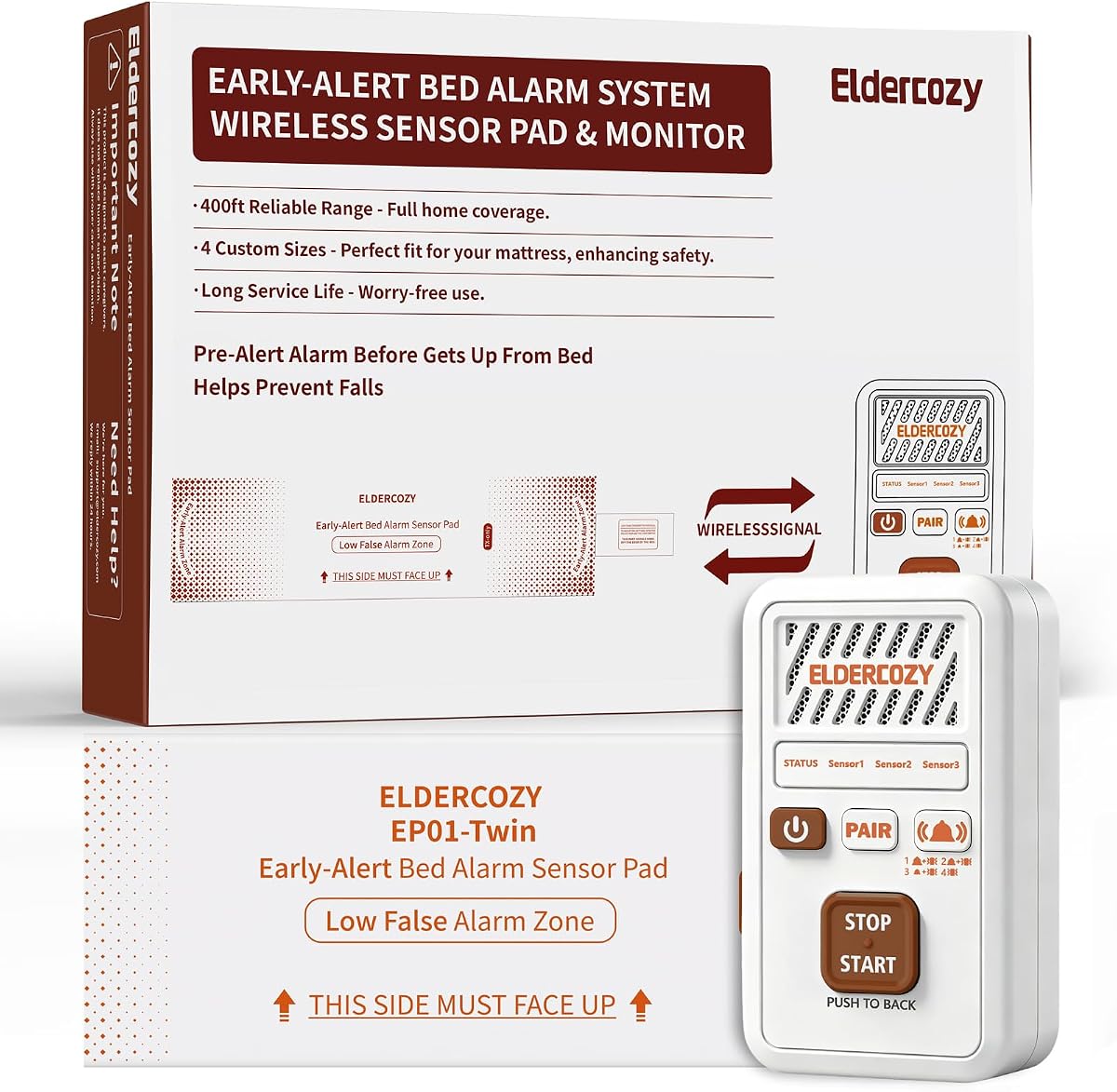
This system earns our top pick for combining comfort with reliable early alert technology. Its rating reflects high satisfaction among caregivers who need peace of mind. The TPU pad ensures patients sleep better without noise or discomfort during monitoring.
We may earn a commission when you buy through this link, at no additional cost to you.
Key strengths include the hip level sensor that detects sitting before standing reducing fall risks effectively. The wireless range reaches up to 400 feet allowing caregivers to move freely. Additionally the replaceable batteries extend device lifespan significantly compared to disposable models.
Trade-offs involve a higher initial cost and careful setup to position the sensor correctly. These are acceptable given the durability and safety benefits provided. The waterproof feature also simplifies cleaning after accidents.
Buy this if you prioritize comfort and long term reliability for a loved one. It is ideal for home environments where quality sleep matters. We recommend it as the premier choice for comprehensive safety.
Sitting detection provides crucial seconds to assist before a fall happens.
Soft TPU material ensures quiet and uninterrupted sleep for patients.
We may earn a commission when you buy through this link, at no additional cost to you.
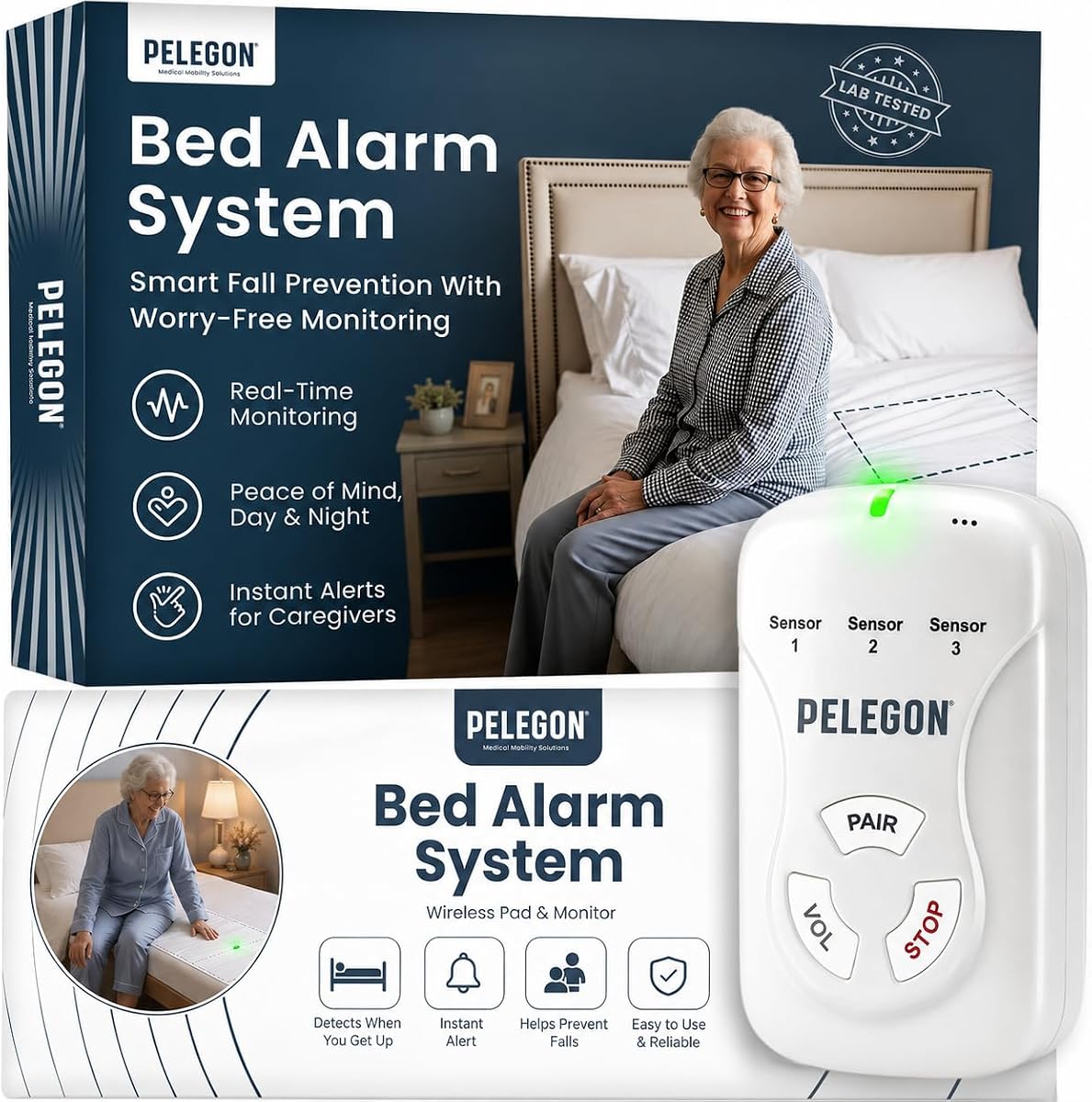
The PELEGON system stands out for its user friendly setup process. It achieves a high rating due to simplicity and reliable detection. Caregivers appreciate the quick installation without needing extra tools.
We may earn a commission when you buy through this link, at no additional cost to you.
Its customizable modes allow sound or vibration alerts to suit different needs. The range covers most single floor homes effectively. This flexibility supports various care scenarios comfortably.
While the sensor pad may be less durable over time the ease of use compensates. Some users prefer longer ranges for multi floor homes. These factors are minor compared to the convenience.
Select this for straightforward deployment in standard home settings. It works well for temporary or long term use. We suggest it for those needing immediate reliability.
Adjust volume or vibration to match patient sensitivity preferences.
Place the pad under the sheet and connect in seconds.
We may earn a commission when you buy through this link, at no additional cost to you.
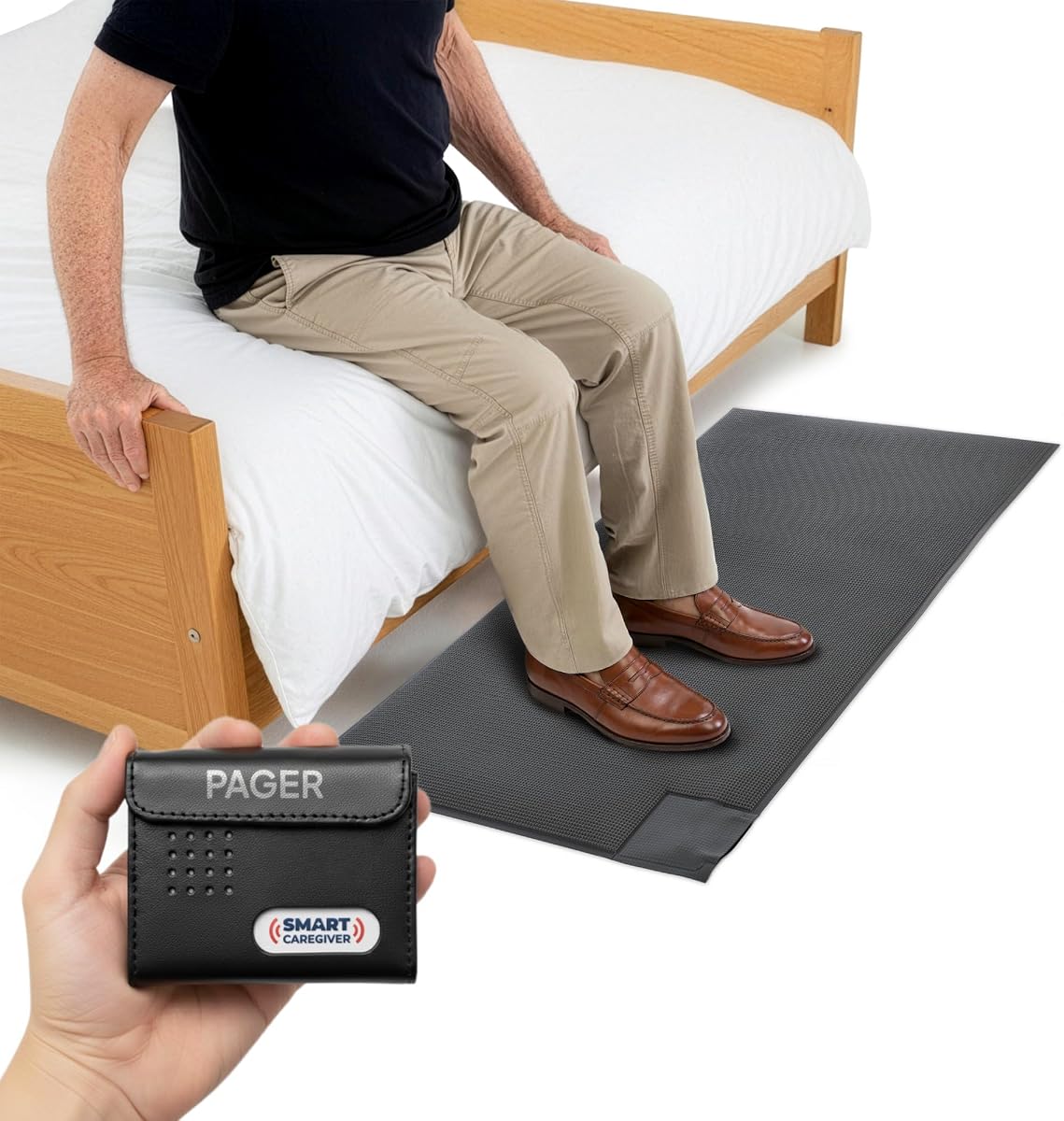
This floor mat system offers robust protection with a large sensor surface. It holds a strong rating thanks to its reliability and durability. Caregivers value the silent alerts that do not startle patients.
We may earn a commission when you buy through this link, at no additional cost to you.
Key benefits include the ability to monitor multiple zones using one pager. The mat size covers significant ground near beds or doors. This expands safety beyond just the bed area.
The main drawback is the need for ample floor space and higher cost. These are justified by the expanded safety coverage. It suits larger rooms or multi exit layouts.
Buy this if you need comprehensive area monitoring at home. It is perfect for dementia care where wandering is a concern. We recommend it for premium safety needs.
Pair with other sensors to track movement throughout the room.
Use vibration mode to keep the patient undisturbed.
We may earn a commission when you buy through this link, at no additional cost to you.
This motion sensor model offers exceptional value for budget conscious buyers. It achieves a solid rating with reliable performance features. The flexibility to place the sensor under the bed enhances safety.
We may earn a commission when you buy through this link, at no additional cost to you.
Key strengths involve the impressive wireless range and USB power option. This supports remote monitoring and continuous power without constant battery changes. The volume settings allow for tailored alert experiences.
Potential downsides include the physical sensor unit visibility and power limits. These are acceptable given the cost efficiency and range. Users should test placement before final setup.
Choose this for affordable and flexible home monitoring. It is ideal for large spaces where range matters. We recommend it as a top economical choice.
Coverage up to 918 feet allows remote caregiver monitoring.
Use batteries or USB for continuous operation flexibility.
We may earn a commission when you buy through this link, at no additional cost to you.
This bed exit alarm is designed for caregivers needing scalable solutions. Its rating reflects trust in the USA based company and product quality. The sensor detects weight removal to signal when a patient rises.
We may earn a commission when you buy through this link, at no additional cost to you.
Key strengths include the ability to support up to six different sensors. This allows monitoring beds chairs and doorways with one pager. The alerts are timely and customizable.
Trade-offs involve some initial setup effort and battery requirements. These are minor compared to the safety benefits. The system is built for reliability.
Buy this if you want a reliable expandable monitoring network. It works well for diverse care environments. We recommend it for those needing scalability.
Add sensors for multiple rooms to track movement effectively.
Access USA based customer service for assistance.
We may earn a commission when you buy through this link, at no additional cost to you.
This model is known for its straightforward and durable design. It holds a respectable rating for daily use in care settings. The vinyl pad is sealed for incontinence protection.
We may earn a commission when you buy through this link, at no additional cost to you.
Key strengths include clear status lights and AC adapter compatibility. This reduces battery dependency. The volume settings are adjustable for comfort.
Limitations include a shorter range and older interface features. These are acceptable for basic monitoring needs. It is easy to use and maintain.
Select this for reliable and simple home care monitoring. It is best for fixed location setups. We recommend it for straightforward safety.
Sealed vinyl pad resists moisture for easy cleaning.
Lights show battery and sensor status clearly.
We may earn a commission when you buy through this link, at no additional cost to you.
This system includes both bed and chair pads for versatile monitoring. It achieves a solid rating for its practical safety coverage. The monitor can be clipped to a chair or headboard.
We may earn a commission when you buy through this link, at no additional cost to you.
Key benefits include two sensors in one package. This helps prevent falls during sitting or lying transitions. The pads are soft and comfortable.
Trade-offs involve wire length and potential sensitivity issues. These can be managed with proper placement. The system remains effective.
Buy this for versatile transition monitoring at home. It is great for patients who sit often. We recommend it for comprehensive safety.
Monitor both sitting and lying positions effectively.
Secure the monitor to furniture for stability.
We may earn a commission when you buy through this link, at no additional cost to you.
This sensor offers powerful alerts with a high decibel alarm. It holds a strong rating for reliability and range. The USB power option supports continuous use.
We may earn a commission when you buy through this link, at no additional cost to you.
Key strengths include multiple alert modes and 918 foot range. This ensures caregivers are notified clearly. The loud alarm is effective.
Limitations involve power supply constraints and setup steps. These are minor given the alert reliability. The device is durable.
Choose this for clear audible notifications. It suits those needing high volume alerts. We recommend it for reliable warning.
113 dB sound ensures caregivers hear alerts clearly.
Coverage up to 918 feet supports remote rooms.
We may earn a commission when you buy through this link, at no additional cost to you.
This alarm features a Type C charging port for modern convenience. It achieves a moderate rating based on performance. The silent mode helps reduce noise.
We may earn a commission when you buy through this link, at no additional cost to you.
Key strengths include portable design and silent alerts. The sensor rotates to minimize false alarms. Volume is adjustable.
Trade-offs involve sensor angle requirements and moderate rating. These are manageable with care. It works well for quiet care.
Buy this for modern charging and silent alerts. It is best for shared spaces. We recommend it for quiet monitoring.
Use modern cables for easy power management.
Avoid sound by switching to vibration only.
We may earn a commission when you buy through this link, at no additional cost to you.
This pad offers a wide size for full coverage. It holds a lower rating due to basic features. The water resistant material aids hygiene.
We may earn a commission when you buy through this link, at no additional cost to you.
Key strengths include music alerts and portability. This allows tailored notifications. The range supports movement.
Limitations involve basic reliability and features. These are acceptable for simple needs. It is easy to set up.
Select this for basic home safety needs. It suits budget conscious users. We recommend it for entry level monitoring.
32 inch width covers more movement area.
Use pleasant sounds instead of alarms.
We may earn a commission when you buy through this link, at no additional cost to you.
Selecting the right alarm involves evaluating detection type range and caregiver features.
Decide between weight sensitive pads or motion sensors based on patient movement. Weight pads detect sitting or standing while motion sensors detect foot movement on the floor.
Choose weight pads for early sitting detection or motion sensors for flexible placement under the bed.
Ensure the wireless range covers your home layout including other rooms. Models range from 300 feet to over 900 feet.
Pick a range that matches your home size so you never miss an alert.
Look for customizable alerts like sound vibration or light. Vibration is useful for shared spaces to avoid disturbing others.
Select vibration or sound modes based on your environment and patient sensitivity.
Check if the device uses batteries or AC power. Rechargeable or USB powered models reduce battery changes.
Prefer models with dual power for continuous monitoring.
Select pads made of durable waterproof materials. Vinyl or TPU pads resist moisture and tears.
Choose waterproof materials for hygiene and longevity.
Some pagers support multiple sensors for monitoring beds and doors. This adds security beyond just the bed.
Choose expandable systems if you need full home coverage.
Pick devices with simple setup and clear indicators. Avoid complex installation to ensure quick use.
Opt for tool free setups and intuitive controls.
Ensure the company offers a warranty and customer support. This guarantees help if issues arise.
Choose brands with strong support for peace of mind.
Install the sensor pad under the fitted sheet or place the motion sensor under the bed. Connect the pager to power sources or insert batteries.
Test the system by sitting on the edge or stepping on the sensor to ensure alerts work. Adjust sensitivity settings if needed.
Clean the sensor pad regularly with a damp cloth. Check batteries monthly and recharge or replace as required.
Bed alarms detect when a patient sits up or steps on a floor mat. This triggers an alert to caregivers allowing them to assist before a fall happens. Early detection is key to safety.
Yes these alarms are designed to alert caregivers when dementia patients wander or get up. The early alerts help prevent wandering and accidents safely.
A range of at least 300 feet is recommended for most homes. This allows caregivers to be in other rooms while still receiving alerts.
Most sensors require batteries but some support USB power. Check product specs for power options to reduce battery changes.
Many systems support chair pads to detect sitting up. Look for expandable options if chair monitoring is needed.
Test the alarm weekly to ensure sensors and batteries work. Regular checks prevent unexpected failures during care.
We highlighted top picks including the Twin Size Wireless Alarms for comfort and Upgraded Bed Sensor for budget. Each offers unique strengths for safety.
Prioritize early detection and caregiver alerts when choosing. These features provide the best protection for patients.
Always check current prices and availability before purchasing. Safety needs vary so select the best fit for your situation.