
DY-50 Intraoral Camera
4.5Editor score
Works with multiple software
Ergonomic design handset
Direct USB connection
This guide compares the top cameras for dental photography including intraoral systems DSLRs and lighting kits to help you capture clear clinical images
Choosing the right camera for dental photography is essential for documenting cases and communicating with patients. High-quality images help build trust and improve case acceptance rates in your practice.
We evaluated ten top-rated options based on image quality ease of use and software compatibility. Our list includes dedicated intraoral cameras versatile DSLRs and helpful lighting accessories for various needs.
Each pick highlights specific strengths and ideal use cases for different practitioners. Keep in mind that product availability and pricing can change so verify details before purchasing to ensure best value.
4.5Editor score
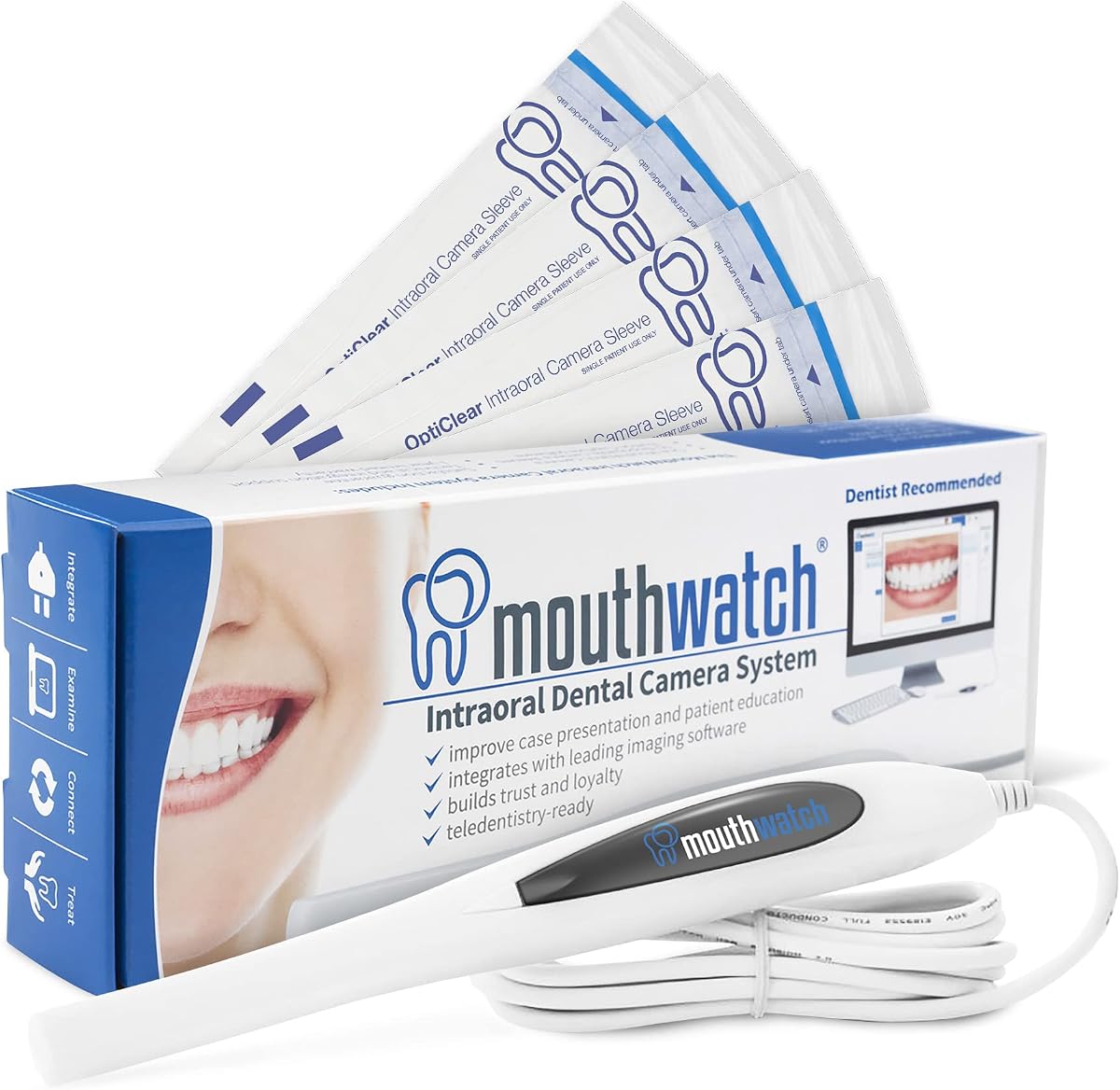
4.4Editor score

4.5Editor score
This side-by-side comparison highlights key specifications and features of the leading cameras and accessories available for dental professionals in 2026 to help you make an informed decision.


This intraoral camera stands out for its ability to capture crystal clear images with minimal effort. Its high rating reflects consistent performance across various dental settings.
We may earn a commission when you buy through this link, at no additional cost to you.
The single button capture feature saves valuable time during patient interactions. Compatibility with over fifty imaging suites ensures it fits easily into existing workflows.
While it lacks advanced zoom capabilities the fixed focal distance eliminates focus hunting. This trade-off is acceptable given the speed and clarity it provides.
Practitioners seeking reliable documentation tools will find this camera invaluable. We recommend it for clinics prioritizing efficiency and patient communication.
The included proprietary software supports major imaging solutions for seamless data transfer.
Clear visuals help patients understand treatment needs improving case acceptance rates.
We may earn a commission when you buy through this link, at no additional cost to you.
The Canon EOS Rebel T7 offers exceptional image quality with a twenty four megapixel sensor. It is a solid choice for those needing versatility beyond intraoral shots.
We may earn a commission when you buy through this link, at no additional cost to you.
Built-in WiFi allows easy transfer of photos to mobile devices. This feature supports quick sharing with lab technicians or patients.
However using it for intraoral work requires an external macro lens. The weight may also be cumbersome for extended handheld use.
Ideal for general practice photography where flexibility is key. Consider this if you need a camera for multiple purposes.
The APS-C CMOS sensor produces vibrant colors and sharp details even in low light.
NFC and WiFi enable seamless transfer to smartphones and tablets.
We may earn a commission when you buy through this link, at no additional cost to you.
This bundle adds essential accessories like a memory card and bag. It provides a complete solution for starting dental photography with a DSLR.
We may earn a commission when you buy through this link, at no additional cost to you.
The included items save time and ensure you have everything needed immediately. Image quality remains excellent with true-to-life colors.
While versatile it is not specialized for intraoral work. You may need additional macro lenses for close-up dental imaging.
Great for new practices wanting a comprehensive setup. The added value makes it a smart investment.
Includes essential accessories like a memory card and shoulder bag.
Intuitive settings make it easy for beginners to transition.
We may earn a commission when you buy through this link, at no additional cost to you.
The Canon EOS R50 delivers stunning image clarity with advanced autofocus technology. Its premium features justify the investment for high-end clinical documentation.
We may earn a commission when you buy through this link, at no additional cost to you.
The deep learning tracking ensures sharp focus even on moving subjects. This is useful for capturing dynamic cases or educational videos.
Cost is a factor and RF lenses may require additional spending. Yet the performance gap is significant compared to older models.
Best for clinics needing top-tier image quality and video. We recommend this for practices focused on digital marketing.
Dual Pixel CMOS AF II covers up to one hundred percent of the area.
Supports four K recording for high-quality patient education content.
We may earn a commission when you buy through this link, at no additional cost to you.
The Sony ZV-1 features a bright ZEISS lens and creator-friendly tools. It excels at capturing vibrant detailed images for social media or patient education.
We may earn a commission when you buy through this link, at no additional cost to you.
Product showcase mode quickly switches focus to close-up subjects. This is beneficial for showing dental tools or detailed tooth structure.
The small sensor may limit depth-of-field compared to larger bodies. However the compact size makes it easy to carry.
Recommended for practitioners creating content for online platforms. Its ease of use simplifies the process.
Equipped with a fast ZEISS lens for crisp detail and smooth transitions.
Dedicated buttons for background defocus and product showcase mode.
We may earn a commission when you buy through this link, at no additional cost to you.
This camera offers impressive specs like eight K video and eighty eight megapixels. It appeals to those seeking high-resolution options at a lower price.
We may earn a commission when you buy through this link, at no additional cost to you.
Dual lenses provide flexibility for different shooting angles. The touchscreen and smart mode dial make operation intuitive for beginners.
However digital zoom does not match optical quality. The brand reliability is less established compared to major manufacturers.
Suitable for budget-conscious practices needing basic features. Use with caution for critical clinical documentation.
Captures every detail with high-resolution sensors and eight K video capabilities.
Wireless transfer via WiFi allows instant sharing to mobile devices.
We may earn a commission when you buy through this link, at no additional cost to you.
The DY-50 provides crystal clear images at a budget-friendly price. It is a solid entry point for practices new to digital documentation.
We may earn a commission when you buy through this link, at no additional cost to you.
Included drivers work with many common imaging suites. The ergonomic design ensures comfort during long days.
Resolution is fixed and video features are minimal. For basic clinical photos this is sufficient.
Ideal for startups or clinics on a tight budget. It delivers value without compromising core functionality.
Works with many major imaging systems including Dexis and Eaglesoft.
Direct USB connection requires no additional hardware.
We may earn a commission when you buy through this link, at no additional cost to you.
This model offers a four X zoom feature for more flexible framing. It is designed to work with standard dental imaging software.
We may earn a commission when you buy through this link, at no additional cost to you.
The zoom helps capture details without moving the camera too much. This can reduce patient discomfort during procedures.
However the resolution is limited to seven twenty P HD. For higher detail you may need a more advanced camera.
Good for practices needing simple zoom functionality. It balances usability and cost effectively.
Four X zoomable lens allows flexible framing without moving the camera.
Compatible with a wide range of dental imaging systems.
We may earn a commission when you buy through this link, at no additional cost to you.
This system includes a built-in screen for immediate viewing of images. It simplifies the workflow by combining capture and display.
We may earn a commission when you buy through this link, at no additional cost to you.
Before-and-after comparison views help present cases clearly. The WiFi QR transfer makes sharing files with patients seamless.
The all-in-one design reduces desk clutter significantly. However being new the reliability may take time to confirm.
Recommended for clinics wanting an integrated solution. It offers modern features for efficient documentation.
The seventeen inch screen allows instant full or quad-split viewing.
Plug-and-play design minimizes setup time for clinics.
We may earn a commission when you buy through this link, at no additional cost to you.
This lighting aid enhances any camera setup by providing consistent illumination. It is essential for clear oral photography.
We may earn a commission when you buy through this link, at no additional cost to you.
The adjustable brightness allows customization for different needs. Omni directional shooting ensures even light inside the mouth.
While not a camera itself it improves image quality significantly. It is easy to transport and set up.
Highly recommended to pair with any camera system. It solves common lighting challenges effectively.
Adjustable brightness from zero to one hundred percent for perfect lighting.
Works with most cell phones and dental photography equipment.
We may earn a commission when you buy through this link, at no additional cost to you.
Selecting the right camera involves balancing image quality budget and workflow integration. Consider these factors to find the best match for your clinic.
Look for cameras with high resolution sensors like twenty four megapixels or more. This ensures fine details like caries are visible.
Higher resolution improves diagnostic accuracy and patient communication.
Ensure the camera supports your existing practice management software. Most intraoral cameras list compatible suites like Eaglesoft or Dexis.
Check for included drivers to avoid extra configuration steps.
One-button capture is a valuable feature for busy practices. It reduces the time spent per patient during imaging.
Ergonomic handsets prevent fatigue during long procedures.
Prices vary from affordable accessories to high-end systems. Set a budget but account for necessary accessories like lenses.
Balance cost with long-term durability and support.
Good lighting is crucial for clear oral photos. Consider kits that offer adjustable brightness and directional control.
Consistent light reduces shadows and improves color accuracy.
If you move between rooms or locations consider weight and size. Lightweight intraoral cameras are easier to handle.
Portable kits make workflow flexible without losing quality.
Check for available customer support and warranty terms. Reliable support helps resolve integration issues quickly.
Lifetime support is a bonus offered by some brands.
Start by calibrating the camera with your imaging software. Ensure the drivers are installed correctly for seamless capture.
Clean the lens and handset after each use with approved disinfectant. This maintains hygiene and prevents image artifacts.
Store the device in its protective case when not in use. Regular updates to firmware keep performance optimal.
The best choice depends on your needs. Dedicated intraoral cameras offer convenience while DSLRs provide versatility. Many clinics prefer cameras with software compatibility and one-button capture.
For DSLRs a macro lens is essential for close-up shots. Intraoral cameras have fixed focal distances. Ensure your lens allows sharp focus on teeth without distortion.
Most modern cameras have built-in drivers for transfer. Check compatibility with your imaging suite. Wireless transfer via WiFi can also simplify the workflow.
Lighting affects color accuracy and detail visibility. Proper illumination reduces shadows that hide issues. Good lighting improves case acceptance by showing clear before and after images.
Smartphones can work with external lights and holders. They are convenient for casual use. For professional clinical records dedicated cameras are recommended.
Focus on image clarity and software support. Avoid models with poor resolution or limited driver options. Ensure the device is ergonomic and durable.
We reviewed ten options ranging from dedicated intraoral cameras to versatile DSLRs. Each pick serves different needs from budget to premium requirements.
Prioritize software compatibility and ease of use for your specific workflow. High-quality images help build patient trust and improve case acceptance.
Remember to check current prices and availability before buying. The right camera enhances your practice efficiency and patient communication significantly.