
Verifone VX520
3.5Editor score
EMV certified
Contactless support
Ethernet connectivity
This guide compares the top 10 card readers for vending machines based on connectivity, security, and compatibility to help operators choose the right cashless
Modern vending operators need reliable payment systems to maximize revenue and improve customer experience. Choosing the right card reader ensures secure transactions and seamless integration with existing hardware.
We evaluated ten distinct models focusing on connectivity options, security certifications, and protocol compatibility. Each entry highlights key features and potential limitations for diverse operational needs.
Every selection includes detailed specifications and user feedback to guide your investment decision. Please note that product availability and pricing may fluctuate over time.
3.5Editor score
3.8Editor score

4.0Editor score
The following table provides a side-by-side comparison of all ten models evaluated in this guide. Each row highlights essential specifications to assist in quick decision-making for your specific vending environment.


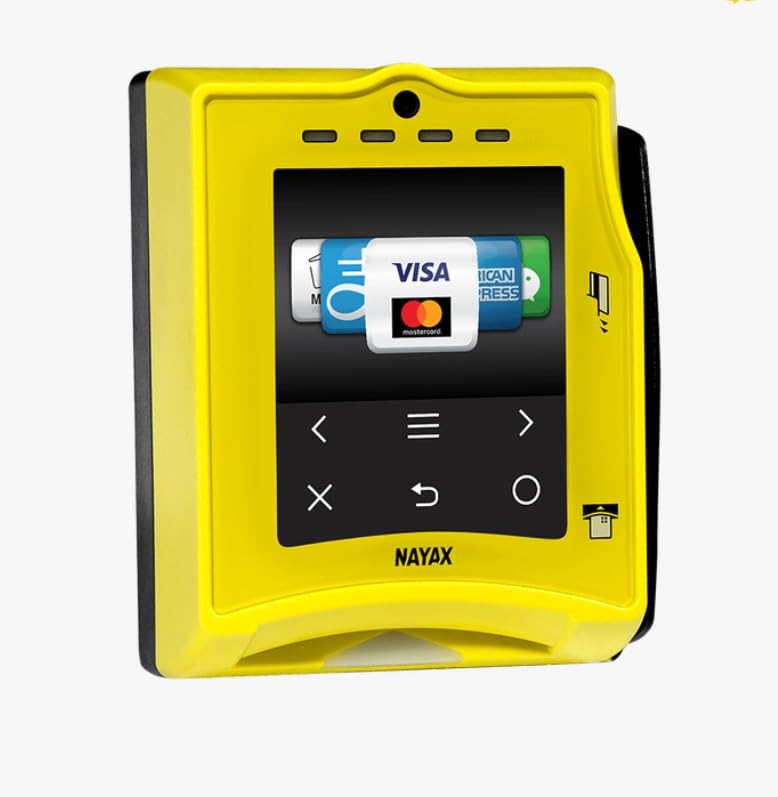
The VPOS Touch stands out as a leading solution for operators seeking comprehensive cashless capabilities. With a solid rating from users, it delivers reliable performance across various unattended machine types.
We may earn a commission when you buy through this link, at no additional cost to you.
Its plug-and-play connectivity eliminates the need for complex network setups. The included 4G LTE antenna ensures instant cellular connection while real-time telemetry allows remote monitoring of inventory and sales data.
While highly functional, the device requires an activation process that may take up to ten business days. This setup delay is acceptable given the robust security and management tools provided upon activation.
Operators managing multiple vending locations will appreciate the seamless integration with Nayax management suites. This model is ideal for those prioritizing security, connectivity, and remote oversight without extensive technical hurdles.
The device accepts EMV Chip cards, NFC, and magnetic stripes ensuring broad customer accessibility without hardware modifications.
Operators can monitor inventory and cash levels remotely reducing the need for frequent physical site visits and improving efficiency.
We may earn a commission when you buy through this link, at no additional cost to you.
The Nayax VPOS Touch offers a premium experience with its customizable touchscreen and robust durability features. It is designed to handle high-traffic environments while providing engaging customer interactions.
We may earn a commission when you buy through this link, at no additional cost to you.
Its anti-vandal construction featuring Dragontrail glass and IP55 rating ensures longevity in public spaces. Built-in marketing tools like loyalty programs help operators increase customer retention and sales volume.
Installation requires specific attention to setup protocols which may extend the initial deployment phase. However the remote software updates and telemetry capabilities justify the effort for long-term operational gains.
Businesses aiming to enhance brand engagement through interactive displays should consider this model. It balances advanced features with reliable performance making it a strong choice for modern vending operations.
The color LCD screen supports multi-language prompts and voice prompts to guide users through transactions effectively.
Built with shock detection and rugged materials the device withstands daily wear and tear in high-traffic areas.
We may earn a commission when you buy through this link, at no additional cost to you.
This Generic card reader provides a straightforward entry point for operators needing basic cashless acceptance. While details are minimal it includes necessary components to begin operation after activation.
We may earn a commission when you buy through this link, at no additional cost to you.
The activation process involves following a yellow instruction sheet inside the box. This step ensures the device is properly registered and ready for secure transactions within ten business days.
Limitations include a wait time for activation and fewer advanced features compared to premium models. However for basic needs it offers a cost-effective solution without complex technical requirements.
Small operators or those testing new locations may find this model sufficient for initial rollout. It serves as a functional starter option before upgrading to more integrated systems later.
This device offers a minimal financial barrier allowing operators to start accepting card payments without significant upfront investment.
Users must follow provided instructions to activate the device ensuring security protocols are met before first use.
We may earn a commission when you buy through this link, at no additional cost to you.
The Symcode Multi-Function reader provides versatile input options for various systems including kiosks and registers. It supports magnetic, chip, and contactless card formats with distinct reading modes.
We may earn a commission when you buy through this link, at no additional cost to you.
Its ability to function as a keyboard emulator simplifies integration with legacy software. The USB connection and indicator lights help users confirm successful reads during operation.
However it is a read-only device without encoding capabilities. Additionally vending-specific protocols like MDB are not explicitly supported which may limit direct compatibility with standard vending machines.
Operators with existing POS setups might utilize this as a supplementary tool. It offers flexibility for general card reading but may require custom integration for standalone vending applications.
The device supports swipe insert and contactless methods allowing it to adapt to different card types easily.
Using a standard USB interface it connects directly to computers without needing external power sources.
We may earn a commission when you buy through this link, at no additional cost to you.
The Verifone VX520 is a well-known terminal that supports dial and Ethernet connectivity for reliable transaction processing. Its EMV compliance ensures secure handling of smart cards and contactless payments.
We may earn a commission when you buy through this link, at no additional cost to you.
Operators benefit from the flexibility of Ethernet or dial connections depending on available infrastructure. Apple Pay and NFC support allow modern users to pay quickly with mobile devices.
As an older model the physical design may not match current aesthetic trends in new vending installations. Dial connectivity is less prevalent today but remains a backup option for areas with poor data.
This model suits locations needing proven reliability over cutting-edge design. It is a practical choice for operators upgrading from cash-only systems who value established payment processing standards.
EMV compliance ensures that chip and contactless transactions meet industry security standards to protect customer data.
Support for both Ethernet and dial lines allows adaptation to different network environments and backup needs.
We may earn a commission when you buy through this link, at no additional cost to you.
This Multi-Function reader offers both read and write capabilities for various card types including Mifare and PSAM cards. It comes with an SDK and software CD to assist with deeper development needs.
We may earn a commission when you buy through this link, at no additional cost to you.
The inclusion of a user guide on CD helps users understand operation steps before physical setup. Support for CPU chip cards adds flexibility for applications requiring secure authentication protocols.
Magnetic stripe reading is limited to read-only operations which may restrict certain use cases. Additionally the reliance on CD-based software might require adaptation for systems lacking optical drives.
Developers or system integrators looking for card encoding options may find this valuable. For standard vending it provides robust features but requires technical knowledge to fully utilize the included tools.
An SDK and software CD are provided to help integrators customize the device for specific system requirements.
The device handles Mifare RFID and PSAM cards enabling secure authentication beyond standard credit card reads.
We may earn a commission when you buy through this link, at no additional cost to you.
The E-seek M-260 excels in environments requiring identity verification alongside payment processing. It reads government IDs with magnetic stripes and 2D barcodes using a specialized bottom interface.
We may earn a commission when you buy through this link, at no additional cost to you.
Included with a 6-foot USB Smart Cable it connects seamlessly to host devices via standard USB or RS-232. The bottom connector design makes it ideal for kiosk applications where side ports may be obstructed.
Its premium pricing reflects the specialized hardware and dual scanning capabilities. While excellent for ID checks it may be overkill for simple cashless payment scenarios where standard card readers suffice.
This device is best suited for secure access or membership-based vending systems. Operators needing robust identification verification will find this model a reliable investment for controlled access environments.
The device captures both magnetic stripe data and 2D barcodes allowing versatile data collection in one unit.
A bottom interface connector allows flexible placement on kiosks without obstructing side access points.
We may earn a commission when you buy through this link, at no additional cost to you.
The VP3350 Card Reader comes with a stand and supports contactless payments using modern mobile wallet standards. It requires a new merchant account with SwyftPAY before the device ships to ensure compliance.
We may earn a commission when you buy through this link, at no additional cost to you.
This model integrates with CardPointe Virtual Terminal and Hosted iFrame Tokenize for secure transaction processing. Its compact design makes it suitable for small vending or pop-up locations needing portability.
The requirement to set up a merchant account beforehand can delay immediate deployment. However the built-in security compliance helps operators meet industry standards without additional configuration steps.
Operators looking for a turnkey solution with included hardware may prefer this option. It is particularly useful for those who need a dedicated terminal ready for use upon arrival.
The device meets PCI P2PE standards to ensure transactions are encrypted and secure during processing.
Its compact form factor supports mobile setups or small kiosks where space is limited and flexibility is key.
We may earn a commission when you buy through this link, at no additional cost to you.
The MTMS15 Multi-Technology Card Reader supports card plus PIN transactions offering enhanced security through multi-factor authentication. It uses an open architecture that allows flexibility in system integration and customization.
We may earn a commission when you buy through this link, at no additional cost to you.
Real-time networking capabilities ensure transactions are processed instantly with minimal latency. Mobile NFC support enables customers to use smartphones or wearables for quick and convenient payments.
Detailed setup instructions may not be as extensive as other models requiring technical familiarity. This openness benefits developers but might pose challenges for non-technical operators seeking plug-and-play simplicity.
This reader is ideal for secure environments needing strict access control. It suits advanced operations where multi-factor authentication is necessary alongside standard payment acceptance.
Support for card and PIN transactions ensures that only authorized users can complete high-value transactions.
Open architecture allows custom software integration making it adaptable for unique operational workflows.
We may earn a commission when you buy through this link, at no additional cost to you.
The Bluetooth X6BT VIP Card Reader offers wireless functionality connecting directly to iOS and Android mobile devices via Bluetooth. It also supports Windows and macOS through included free software for versatile usage.
We may earn a commission when you buy through this link, at no additional cost to you.
This device reads and writes all three tracks of magnetic cards adhering to ISO 7811 standards. USB power ensures it can run from a host device without separate adapters or external power sources.
However its design focuses on mobile app usage rather than fixed vending integration. The need for paired mobile devices may limit its practicality for unattended vending machines needing autonomous operation.
It is an excellent tool for mobile sales teams or temporary events requiring card encoding. For permanent vending installations a stationary reader with direct network connections may be more appropriate.
Bluetooth connectivity allows pairing with mobile devices enabling flexible use away from fixed terminals.
Compatible with major operating systems it supports both mobile and desktop environments for broader application.
We may earn a commission when you buy through this link, at no additional cost to you.
Selecting the right card reader requires understanding your machine's capabilities and operational needs. This guide outlines the key factors to consider for a successful cashless upgrade.
Connectivity determines how your reader communicates transaction data. Options include cellular 4G LTE Ethernet dial lines or Bluetooth. For remote vending machines cellular connectivity ensures reliable data transmission without needing nearby networks.
Choose a connectivity method that matches your machine's existing setup and location availability.
Vending machines use communication protocols like MDB or Pulse to interact with card readers. Ensuring compatibility avoids integration errors and hardware conflicts. Most modern units support MDB but verify your machine's requirements before purchase.
Check your vending machine manual for supported protocols to ensure seamless integration.
Security standards like PCI DSS and EMV Level 1 protect sensitive cardholder data. Certified devices reduce liability and ensure compliance with payment industry rules. Always prioritize models with clear certification documentation.
Look for PCI DSS and EMV certifications to guarantee secure transaction processing.
Modern consumers expect contactless payment options such as NFC Apple Pay and Google Pay. Ensure the reader supports chip cards magnetic stripes and mobile wallets to maximize transaction success rates and customer satisfaction.
Select a reader that accepts chip NFC and magnetic stripe payments for broad compatibility.
Remote management suites allow operators to monitor sales inventory and machine status without physical visits. Real-time telemetry helps prevent stockouts and optimize restocking routes. This feature is crucial for multi-location operators.
Prioritize models with cloud-based telemetry for efficient remote monitoring.
Vending environments often involve high traffic and potential vandalism. Look for devices with rugged housing impact-resistant glass and water resistance ratings. These features extend the lifespan of the hardware in demanding conditions.
Choose units with IP ratings and anti-vandal features to withstand public environments.
Plug-and-play designs reduce setup time and technical requirements. Some models need merchant account approvals or activation waits which can delay revenue generation. Consider how quickly you need to start accepting payments.
Opt for plug-and-play units with minimal setup to start processing faster.
Evaluate the total cost of ownership including device price subscription fees and transaction rates. Reliable customer support ensures quick resolution of technical issues. Compare these factors across vendors before committing to a purchase.
Balance upfront costs with long-term fees and support quality for value.
Begin by confirming that your vending machine supports the required protocol such as MDB or Pulse. Follow the manufacturer's installation guide to connect the harness securely to the machine's control board.
Once physically installed activate the device by registering it through the provided portal or mobile app. Ensure the SIM card or network connection is active so data can transmit in real-time.
Regularly clean the reader surface with a soft dry cloth to prevent dust or residue from affecting swipe performance. Monitor the management dashboard for firmware updates to keep security protocols current.
Most vending machines utilize MDB or Pulse protocols to communicate with payment terminals. MDB is the global standard and allows two-way communication between the machine and the reader. Verify your machine's documentation before purchasing to ensure compatibility.
Yes a merchant account is required to process credit and debit card transactions. Some providers include account setup in the device purchase process while others require separate application. Confirm this requirement with your vendor before shipping.
Real-time telemetry allows remote monitoring of sales inventory levels and machine health. This data helps operators optimize restocking routes and reduce downtime. It also enables instant alerts for errors or low cash levels without physical checks.
Yes most modern readers support NFC technology enabling Apple Pay Google Pay and Samsung Pay. This feature is essential for capturing cashless transactions from smartphones. Ensure the device explicitly lists contactless compatibility before buying.
Look for PCI DSS compliance and EMV Level 1 or 2 certifications. These standards ensure that cardholder data is encrypted and processed securely. They also reduce the risk of fraud and ensure compliance with payment regulations.
Activation times vary by provider but typically range from a few minutes to ten business days. Some models require online registration or SIM card activation. Plan accordingly if you need to start accepting payments immediately.
Cellular connectivity is highly recommended for outdoor or remote vending machines. It ensures consistent data transmission without relying on nearby Wi-Fi or Ethernet. Look for models with high-gain antennas for stronger signal reception.
First check all physical connections and power sources. Verify that the network connection is active and the device is registered. Contact the vendor's support team if issues persist as they may provide remote diagnostics or replacements.
This guide reviewed ten distinct card readers offering a range of features from basic connectivity to advanced management tools. The VPOS Touch leads in overall performance while the Nayax VPOS Touch excels in durability and engagement.
Prioritize connectivity protocol compatibility and security certifications when making your final decision. Ensure the chosen model fits your machine's technical requirements and your operational scale for seamless integration.
Always verify current availability and pricing on the vendor site before purchasing. Prices and specifications may change over time so checking the latest product details is essential for informed procurement.