
Sipeed Tang Nano 20K
4.5Editor score
Affordable entry level
Open source software
Compact form factor
Explore the top Fpga Retro Consoles for 2026. We compare performance, compatibility, and features to help you choose the perfect retro gaming device today.
Retro gaming enthusiasts now have access to powerful FPGA-based consoles that offer authentic hardware emulation. These devices provide low latency and precise timing that software emulators often struggle to match. Choosing the right one depends on your desired balance of portability and raw processing power.
Our team evaluated ten leading Fpga Retro Consoles based on FPGA resources, connectivity options, and community support. We considered factors like open-source compatibility, expandability through ports, and overall build quality. This list covers everything from developer boards to finished handheld units.
Each pick highlights unique strengths such as Linux support, HDMI output, or specific emulator cores. You will find options suitable for hobbyists building custom systems as well as players seeking plug-and-play experiences. Please note that availability and pricing may change frequently across retailers.
4.5Editor score
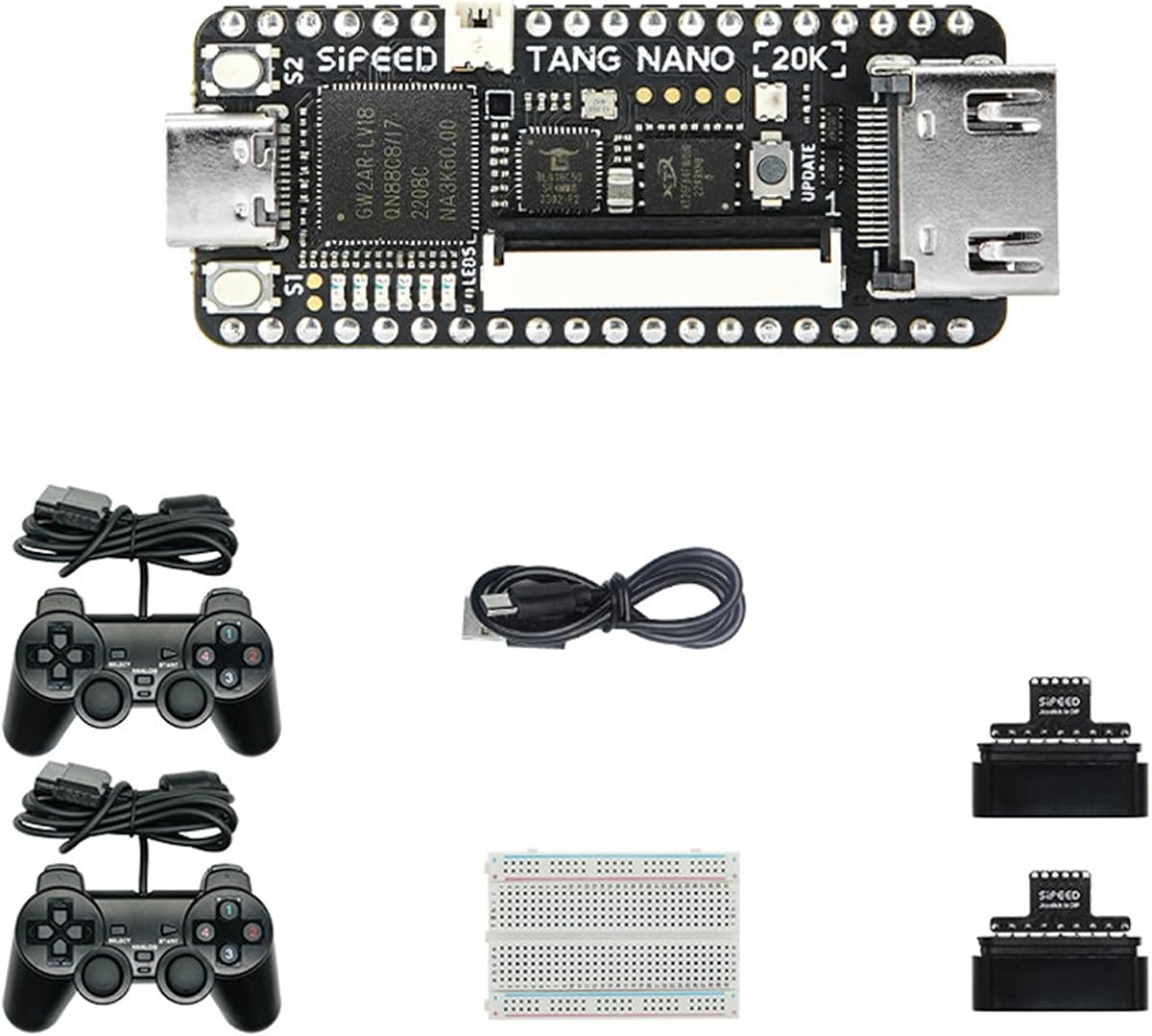
4.8Editor score

5.0Editor score
This side-by-side comparison highlights key specifications across all ten selected FPGA and retro gaming devices to help you make an informed decision.




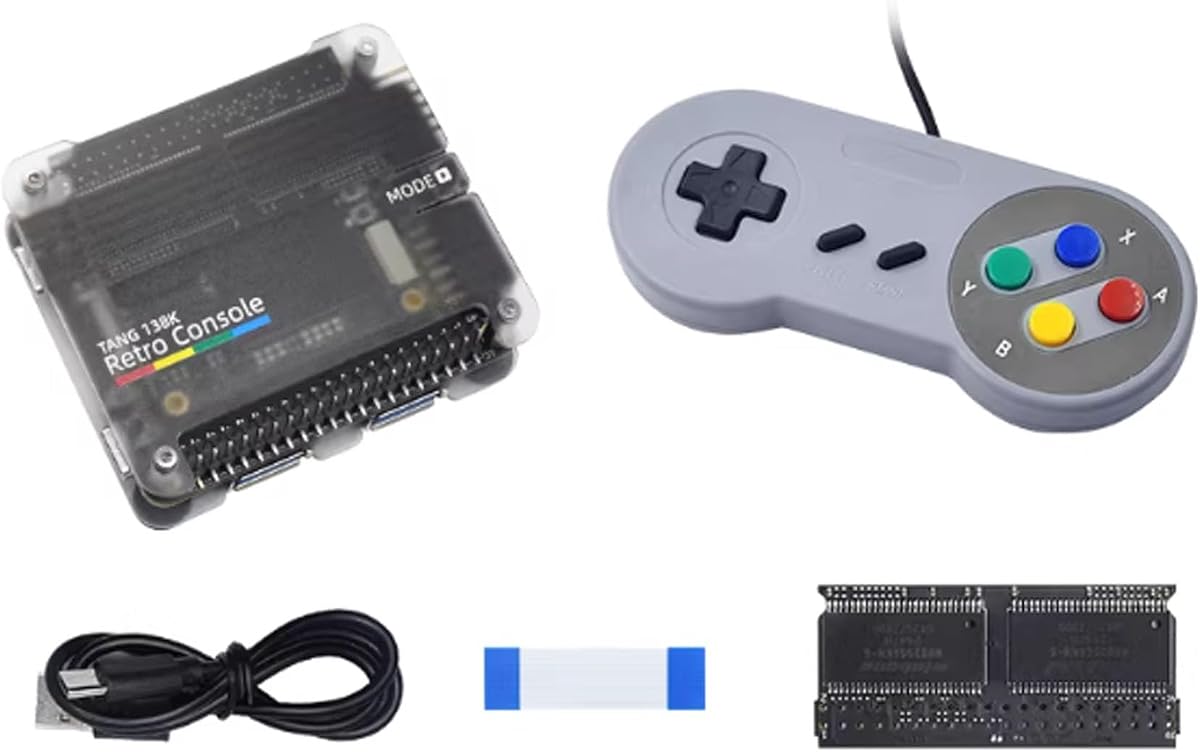
The Sipeed Tang Console 138K stands out as the premier choice for serious FPGA retro enthusiasts. It combines powerful logic resources with a versatile operating system that handles complex emulation cores with ease. Its compact design hides significant processing power capable of driving high fidelity classic games smoothly.
We may earn a commission when you buy through this link, at no additional cost to you.
With 138K LUT4s and an integrated RISC-V AE350 hardcore, this board offers unmatched flexibility for custom projects and standard emulation alike. The inclusion of 1GB DDR3 RAM ensures that even demanding system consoles run without stuttering or lag during intense gameplay sessions.
While the initial configuration might require some technical knowledge, the rewards are substantial for developers and gamers alike. The silent operation and small form factor make it ideal for desktop setups or integration into custom cabinets without adding noise or bulk.
This device is perfect for those who want a high performance solution that grows with their skills and needs. Whether you are building a custom cabinet or running advanced retro cores, this console delivers reliability and performance that is hard to beat in 2026.
The 138K LUT4 count allows for simultaneous handling of multiple complex emulation cores without resource contention.
An onboard RISC-V processor provides dedicated system management and enhances overall console efficiency.
We may earn a commission when you buy through this link, at no additional cost to you.
The Sipeed Tang Console FPGA is designed for users who want to dive deep into development while enjoying classic games. It supports interchangeable System on Modules that let you choose the exact performance level you need for your specific project requirements. This modularity ensures longevity and adaptability.
We may earn a commission when you buy through this link, at no additional cost to you.
Equipped with robust connectivity options including USB 3.0 and HDMI, it connects seamlessly to modern displays and controllers. The onboard BL616 MCU assists in debugging and firmware management, making it easier for developers to customize the experience or build new emulator cores.
The device requires some setup time to get fully operational but offers significant rewards for those willing to invest the effort. Its small size means it can fit into existing setups easily or be carried to friends houses for portable retro gaming sessions.
Ideal for developers and hobbyists, this console provides a bridge between professional FPGA work and fun retro gaming. It is a versatile tool that can serve as a development board for custom projects or a reliable standalone gaming unit.
Swappable System on Modules allow users to upgrade performance without replacing the entire console board.
Multiple USB and HDMI ports ensure compatibility with a wide range of controllers and monitors.
We may earn a commission when you buy through this link, at no additional cost to you.
This premium FPGA board offers a robust platform for creating custom retro gaming solutions and other digital projects. The 138K logic capacity provides ample room for complex designs while maintaining efficient power usage. It is a favorite among tinkerers who value raw potential over out of the box convenience.
We may earn a commission when you buy through this link, at no additional cost to you.
With dual PMOD ports and HDMI support, connecting peripherals and displays is straightforward and reliable. The design also allows compatibility with Raspberry Pi 5 via a PCIe HAT connector, adding another layer of versatility for hybrid computing setups that need both Linux and FPGA capabilities.
While it might not come with a polished user interface, the flexibility it offers is unparalleled in this category. Users should be prepared to invest time in configuration to unlock its full capabilities and get the most out of every logic block.
For those looking to build something unique or require specific hardware interfaces, this board is an excellent choice. It balances professional grade performance with a format that fits well in both industrial and hobbyist environments.
Dual PMOD slots provide easy interfaces for adding sensors, displays, or custom controllers without soldering.
Support for Raspberry Pi HAT allows combining Linux software with FPGA hardware acceleration seamlessly.
We may earn a commission when you buy through this link, at no additional cost to you.
The Sipeed Tang Nano 20K provides an accessible entry point into the world of FPGA retro gaming without breaking the bank. It balances cost and performance effectively for those who want to experiment with classic game emulation or build their own interfaces. The small size makes it easy to use in many different scenarios.
We may earn a commission when you buy through this link, at no additional cost to you.
With 20K LUT4s and onboard SDRAM, it handles many popular console cores comfortably while leaving room for custom logic. Support for RGB LCDs and microSD cards means you can create portable handhelds or connect to various displays depending on your project goals and budget constraints.
While it lacks the raw power of larger boards, it remains a favorite for hobbyists due to its simplicity and community support. Developers can rely on extensive wikis and forums to help troubleshoot issues or find pre-built solutions for common emulation needs.
This is the ideal pick for students or beginners who want to learn FPGA programming while playing retro games. It offers a hands on experience that is both educational and entertaining at a fraction of the cost of commercial handhelds.
An affordable price point allows more users to try FPGA gaming without significant financial risk.
Extensive documentation and community projects make setup and customization much easier for newcomers.
We may earn a commission when you buy through this link, at no additional cost to you.
This kit version of the Tang Nano 20K is tailored for users who want a complete package to start experimenting quickly. It emphasizes Linux compatibility which opens up many possibilities for software development and system configuration beyond simple game emulation. The included accessories help streamline the initial build process.
We may earn a commission when you buy through this link, at no additional cost to you.
The combination of HDMI and RGB LCD support allows for flexible display options depending on your project needs. Whether you are building a portable handheld or a tabletop unit, the hardware supports both modern TVs and specialized screens with equal ease.
While performance is limited compared to higher end boards, it is sufficient for most 8-bit and 16-bit games. The Linux environment allows for easy file management and scripting which is great for advanced users who want to automate or customize their experience.
Perfect for those interested in the Linux side of FPGA development, this kit provides a balanced introduction. It is a practical choice for anyone looking to merge retro gaming fun with open source software development in a small package.
Accessories included in the kit reduce the time needed to get the board operational for the first time.
Native Linux support simplifies software installation and management for custom game libraries.
We may earn a commission when you buy through this link, at no additional cost to you.
This single board computer variant focuses on making emulation accessible through streamlined design and debugger support. It is optimized for classic NES emulation but can handle other lightweight systems effectively. The inclusion of a BL616 debugger simplifies testing and modifying firmware during development cycles.
We may earn a commission when you buy through this link, at no additional cost to you.
Multiple display outputs ensure you can use whatever screen works best for your specific setup. Whether connecting to a monitor or a dedicated LCD module, the board handles signal generation efficiently to provide clear visuals for gameplay. This flexibility is key for portable builds.
While it is not the most powerful board available, its focus on core emulation makes it reliable for daily gaming use. The open source nature means you can modify the code to fit specific needs or add new features as you learn more about the system.
Ideal for retro fans who want a dedicated emulation machine, this board offers the right balance of simplicity and capability. It is a great choice for those who want to spend more time playing and less time fighting with complex configurations.
The BL616 chip makes debugging firmware easier by providing direct communication with the FPGA core.
Optimized for NES cores ensures smooth performance and authentic feel for classic Nintendo games.
We may earn a commission when you buy through this link, at no additional cost to you.
The Arduboy FX-C is a unique device that blends retro gaming with coding education in a credit card sized package. It comes preloaded with hundreds of classic games so you can start playing immediately, but it also serves as a powerful tool for learning C++ programming. This dual purpose makes it special.
We may earn a commission when you buy through this link, at no additional cost to you.
Its small size and durable build mean you can carry it anywhere and use it as a fun distraction or a learning tool. The USB-C connectivity allows for multiplayer battles with friends or easy file transfers to share custom games. It is a great way to connect with others.
While the screen is small, the high contrast OLED ensures games look crisp and clear. This is not a device for modern high definition gaming but for nostalgia and creative programming. It strikes a perfect balance between entertainment and education for all ages.
Perfect for students or anyone wanting to learn hardware coding, this console offers a fun path into technology. Whether you are a veteran gamer or a student, the ability to create your own games adds a depth that other handhelds cannot match.
Access to free online tutorials and Arduino IDE support helps users learn coding while having fun.
A custom I2C link cable allows for head to head gameplay with another compatible console instantly.
We may earn a commission when you buy through this link, at no additional cost to you.
The Trimui Brick Pro features an impressively large screen for a handheld, offering clear visuals that make classic games look sharp. The Allwinner A133P processor provides strong performance for emulation across multiple systems ensuring smooth gameplay without frame drops. It is designed for comfort and clarity.
We may earn a commission when you buy through this link, at no additional cost to you.
Hall effect joysticks and vibration motor add a layer of feedback that enhances immersion during play. The large battery ensures you can play for hours without worrying about running out of power during travel. Fast charging keeps you in the game even when you need a quick top up.
This console is best for players who prefer larger screens and more immersive gaming sessions. It is robust and well built though it comes without a memory card so you need to provide your own storage. This gives you freedom to choose the games you want.
If you want a powerful portable device with high quality controls and a big screen, this is a strong option. It handles modern and classic retro gaming with equal ease and feels great in the hand for extended use.
The full viewing angle IPS screen provides vibrant colors and sharp details for every game.
Hall effect joysticks prevent drift and ensure precise input for responsive gaming experiences.
We may earn a commission when you buy through this link, at no additional cost to you.
The RG40XXV offers a refined Linux based gaming experience that works straight out of the box with a curated set of games. Its stability and high user ratings suggest a well optimized system that minimizes crashes and maximizes play time. It is designed for those who just want to play.
We may earn a commission when you buy through this link, at no additional cost to you.
The handheld form factor is comfortable and ergonomic, making long sessions enjoyable without fatigue. Linux system management allows for easy updates and file handling, giving users control over their library without overwhelming technical complexity. It balances power with simplicity.
While it is less flexible than raw FPGA boards, it offers a consistent experience that appeals to gamers who want reliability. The preloaded content saves setup time so you can start playing immediately. This is ideal for gifting or casual use.
If you want a polished device that works great right away, this is a top choice. It delivers a seamless blend of retro games and modern system features that make every session satisfying and stress free.
Preloaded games ensure you can start playing immediately without any setup or external storage.
A stable Linux OS provides a smooth interface for managing games and settings effortlessly.
We may earn a commission when you buy through this link, at no additional cost to you.
The Trimui Brick PRO stands as the premium option with a stunning high resolution screen and refined build quality. Its OLED like contrast and vibrant colors bring classic games to life in a way that rivals larger consoles. Every detail from buttons to chassis reflects a commitment to quality and comfort.
We may earn a commission when you buy through this link, at no additional cost to you.
Hall effect joysticks provide drift-free control that ensures every input is registered accurately. The RGB mood lighting allows you to customize the aesthetic to match your style or mood. It is a device that feels as good as it looks during use.
While games are not preloaded giving you freedom to curate your own collection. The Linux system is efficient and user-friendly making management simple. This is a great choice for those who value design and control over convenience.
For those seeking the best possible portable experience with premium features, this unit delivers. It is perfect for collectors or enthusiasts who want a top tier device that stands out for its craftsmanship and performance capabilities.
The 1024×768 resolution ensures text and pixels look sharp and vibrant for every game.
RGB mood lighting adds a personal touch that enhances the overall look and feel of the device.
We may earn a commission when you buy through this link, at no additional cost to you.
Selecting the right FPGA retro console requires understanding key factors that impact performance, ease of use, and longevity.
Logic capacity measured in LUT4s determines how many complex cores can run simultaneously. Higher capacity allows for more accurate emulation of complex systems like N64 or Dreamcast. For 8-bit and 16-bit systems lower capacity is usually sufficient.
Look for boards with at least 20K LUT4s for basic needs. For advanced multi-system emulation consider 100K or higher.
Linux support provides a familiar interface for file management and system configuration. It allows for easier installation of tools and scripts. Some devices offer proprietary systems that are simpler but less flexible.
Choose Linux if you need open-source customization. Prefer proprietary if you want plug and play simplicity.
USB and HDMI ports are essential for connecting controllers and modern displays. Check for USB 3.0 support for faster data transfer if you use SD cards. Display ports should match your preferred screen resolution.
Ensure the device has HDMI for standard TVs. USB-C is preferred for modern charging and data.
For handhelds, ergonomics determine comfort during long sessions. Hall effect joysticks prevent drift and improve control feel. Durable materials ensure the device survives travel and frequent use.
Prioritize models with quality buttons and screens. Check reviews for durability and battery real world usage.
Active communities provide tutorials, custom firmware, and troubleshooting help. Look for wikis and forums that are updated regularly. Strong support ensures your device remains useful as emulation cores evolve.
Check if the manufacturer provides SDKs. Open-source projects often have better long-term support than closed systems.
Battery life is critical for portable devices. Look for capacities around 5000mAh for all-day gaming. Fast charging reduces downtime when you need to recharge quickly during trips.
Compare battery specs across models. Devices with USB-C charging are easier to integrate with existing power sources.
Ports like PMOD allow adding custom sensors or displays for advanced projects. SD card slots enable game library expansion without relying on internal storage. Check if your chosen model supports external accessories.
If you plan to build custom projects prioritize expandability. Pure gamers may not need advanced expansion ports.
Higher end FPGA boards cost more but offer better performance. Entry-level options are great for learning but may struggle with complex emulation. Balance your budget with your specific gaming needs.
Set a budget based on your requirements. Entry-level boards often provide enough power for retro needs without extra cost.
Start by installing the latest firmware from the manufacturer to ensure all compatibility and performance. Connect your console to a display via HDMI or compatible video port to get the best visual output.
Insert your game SD card or connect controllers via USB ports. If using custom cores, download them from the community wiki and follow installation guides carefully to avoid errors.
Keep your device clean and dry to prevent damage to electronics. Store it in a protective case when not in use to avoid scratches on the screen or body.
FPGA consoles offer lower latency and more accurate timing which can feel closer to original hardware. They do not rely on CPU emulation which can sometimes cause input lag. For purists this is a significant advantage.
Most FPGA consoles are optimized for retro systems up to 32-bit or early 32-bit era. Modern games require more processing power than these boards typically provide. Stick to classic titles for best performance.
Most FPGA boards require you to download and install game ROMs yourself. Some handhelds come with preloaded titles but check the product details to confirm. Always respect copyright laws when downloading games.
Most devices support SD cards up to 1TB for storage. Ensure you use high speed cards to prevent buffering issues during gameplay. Check the specific requirements in the product manual.
Many devices have USB ports that support keyboards and mice for system navigation. Some emulators may support these for specific controls. Check emulator settings for compatibility details.
Download the latest firmware from the manufacturer's website and transfer it to the SD card. Follow the on-screen instructions to install the update safely. Always back up your settings before updating.
Setup difficulty varies by model. Some require technical knowledge for core compilation while others work out of the box. Check user reviews for ease of setup before purchasing.
Most FPGA emulation cores support save states for easy progress saving. This feature is built into the emulator software. Enable it in the core settings for best convenience.
The Sipeed Tang Console 138K and Trimui Brick Pro lead the pack with their balance of power and usability. These devices cater to different needs from pure developer power to polished handheld experience.
Prioritize what matters most to you whether it is screen size, logic capacity, or portability. Your specific gaming preferences will dictate which features are essential for your setup.
Prices and availability change frequently so check current offers before making a purchase. A little research ensures you get the best value for your investment in retro gaming.